The Working Parent's Bilingual Playbook -- Big Impact in Limited Time
By Lindsey Carleton, MA, CCC-SLP
You leave for work at 7:30 a.m., and your child is at preschool by 8:15. You pick her up at 5:45 p.m., and by 7:30 p.m. she’s in bed. In between are work, commuting, dinner prep, bath time, and the general exhaustion that comes with working parenthood. Where does bilingual development fit into that tight schedule?
I hear this question constantly from working parents. They’re deeply committed to bilingualism, but they feel defeated by the math — the research suggests children need substantial daily exposure to develop real proficiency, and with full-time work and daycare, that seems impossible to provide. Many give up before they really try, convincing themselves they don’t have enough time to “do bilingualism right.”
Here’s what I’ve learned from families who succeed: you don’t need more time. You need to be intentional about the time you already have. The working parents I see raising genuinely bilingual children aren’t the ones with flexibility or part-time schedules. They’re the ones who’ve identified their highest-leverage moments — the anchors in their day where Spanish fits naturally — and they’ve protected those moments fiercely.
This post is a playbook for working parents. It’s about recognizing that you don’t need eight hours of Spanish exposure daily. You need the right two hours, protected and consistent, across the week.
The Reality Check: Quality Over Quantity
First, let’s be honest about the math. Full-time working parents typically have 2—3 hours of contact time with their child on weekdays. Add weekends and you might have 20—25 waking hours weekly. Children need roughly 20—25% of their waking hours in the minority language — about 20—25 hours a week — which one working parent usually can’t supply alone.
You can’t hit that target with one working parent as the sole Spanish source. But here’s what matters: you’re not aiming to be the sole source. You’re one part of a bilingual system. Other Spanish comes from caregivers, relatives via video, Spanish media used intentionally, preschool options, and weekend time.
Your job as a working parent isn’t to create all the Spanish exposure. It’s to protect the high-leverage moments you do control and to stack other Spanish sources strategically.
The Three Non-Negotiable Spanish Anchors
Research on language exposure shows that consistency and predictability matter more than total hours. A 15-minute daily routine, happening the same way every day, builds language faster than sporadic longer sessions.
Anchor 1: The Morning Spanish Window (10-15 minutes)
The morning is the only time you completely control your child’s environment before school. This is a protected Spanish-only window.
Depending on your schedule, this might be: breakfast together, getting dressed, the car ride to school, or a combination. Whatever the timeframe, this is Spanish time. No code-switching to English, no “let me just quickly say this in English because we’re rushing.” Just Spanish.
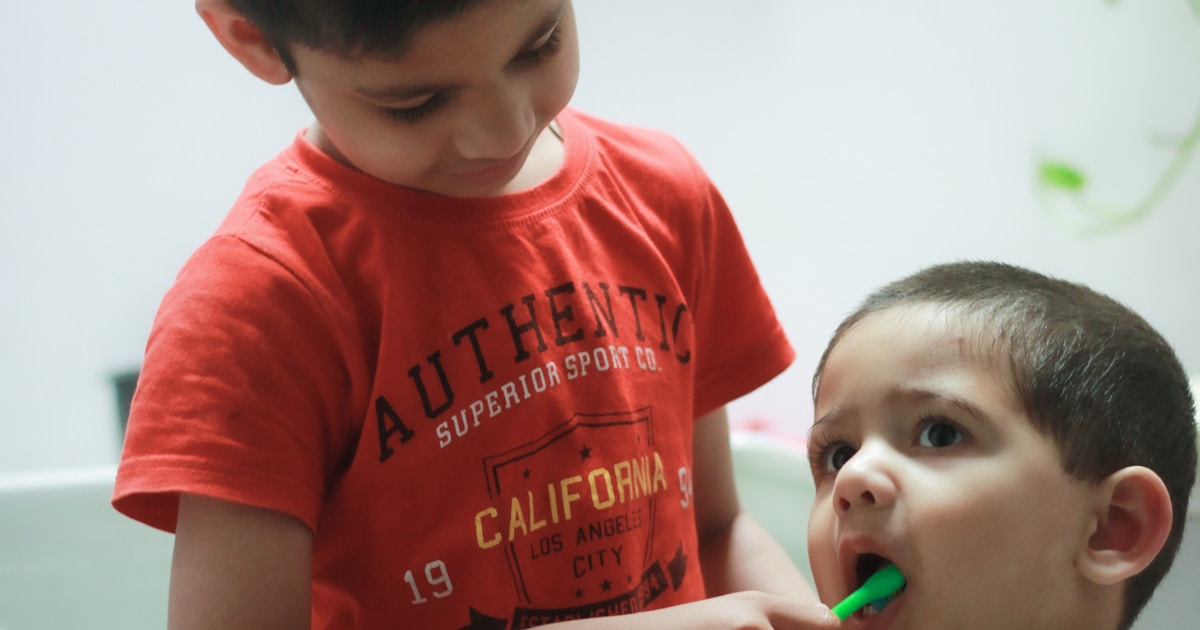
What you do: narrate routine activities in Spanish. “Vamos a desayunar. Aquí está tu cereal. Toma leche. Después nos lavamos los dientes” (We’re going to eat breakfast. Here’s your cereal. Drink milk. Then we brush our teeth). Keep language simple and tied directly to what’s happening.
Why it works: Your child is already doing these things regardless of language. You’re simply choosing to name them in Spanish. The activities are concrete, happen in the same order, and repeat identically every weekday. That’s the trifecta for habit formation and language acquisition.
Anchor 2: The Bedtime Spanish Ritual (15-20 minutes)
Bedtime is another moment you control entirely. This is when you shift into Spanish storytelling, singing, or conversation.
What you do: Choose 2-3 activities you’ll repeat every single night. Example: bath time narration in Spanish, then a Spanish book or song, then conversation about the day, all in Spanish.
“Ahora es hora del baño. ¿Está el agua caliente? Vamos a lavar el pelo. Enjuagamos” (Now it’s bath time. Is the water warm? We’re going to wash your hair. We rinse). Then: read a Spanish picture book, even if you’re translating as you go. Then: “Cuéntame qué hiciste hoy” (Tell me what you did today).
The consistency matters more than the content. Your child comes to expect Spanish at bedtime. It becomes a sensory and linguistic ritual that signals the day’s transition.
Why it works: Bedtime is low-pressure. There’s nowhere else to be. Your child is often physically close (in the bath, tucking into bed). The same routine every night creates a predictable context for language, which reduces cognitive load and allows your child to focus on understanding and responding.
Anchor 3: The Commute Spanish Zone (10-15 minutes)
Whether you’re driving, taking transit, or walking to school, the commute is Spanish-only time. This is non-negotiable language space.
What you do: Use this time for conversation, music, storytelling, or audiobooks in Spanish. Some families choose Spanish songs exclusively. Others rotate between conversation and Spanish podcasts for kids. Some use the commute to prep for the day: “Hoy vamos a la escuela. ¿Qué va a pasar? ¿Vamos a jugar? ¿Vamos a comer?” (Today we’re going to school. What’s going to happen? Are we going to play? Are we going to eat?).
The car or transit space is private enough that your child can speak without self-consciousness, and it’s long enough (15-20 minutes minimum) to get into real language flow. This is where you often see children shift from monosyllabic responses to actual conversation in Spanish.
Why it works: The commute is unavoidable and recurring. You’re not adding a new activity to your schedule — you’re changing the language of an activity you’re already doing. And the privacy of the car gives kids psychological safety to try Spanish without peer pressure or distraction.
Protect Your Anchors Fiercely
These three anchors — morning, bedtime, commute — should add up to roughly 40-50 minutes of daily Spanish Monday through Friday, plus whatever weekend time you have. That’s significant and realistic.
To make them stick, you have to protect them. This means:
No exceptions without a plan. When your child pushes back (and she will), you need a consistent response. Not “fine, we’ll do English,” but “in the car, we speak Spanish.” Consistency builds expectation.
Let caregivers know. If your child is with another caregiver during morning or commute time, make sure that person knows Spanish is the language for those moments. Give them phrases, sing the same songs, keep the routine identical.
Don’t overfill the window. The anchor times work because they’re focused. You’re not trying to cram in a lesson, two games, and a vocabulary quiz. You’re just narrating and responding in Spanish. Simplicity sustains it.
Join your child, don’t perform for her. The anchor moments work best when you’re genuinely engaged with your child, not treating the Spanish as a task to complete. Sing the songs you actually enjoy. Tell stories you’re invested in. Your authenticity is contagious.
Layer Other Spanish Sources Around Your Anchors
The three anchors form your foundation, but they’re not your entire bilingual strategy. Around them, you add other Spanish sources that require less of your personal time.
Spanish childcare or preschool: If your budget and location allow, putting your child in a Spanish immersion preschool or hiring a Spanish-speaking nanny magnifies your exposure exponentially. Many working parents justify this investment specifically because it allows them to raise a genuinely bilingual child despite their work schedules.
Video contact with Spanish-speaking relatives: 10-15 minutes of video call with abuelos or other relatives weekly is meaningful exposure, especially if those relatives are engaged and animated. See our guide to language-rich video calls with family.
Spanish media, used intentionally: 15-20 minutes of Spanish-language television, YouTube, or audiobooks daily adds exposure without requiring your personal time. The key is intentional use — you choose quality content, you watch/listen alongside your child sometimes, and you narrate: “¿Qué ves? ¿Qué está haciendo el personaje?” (What do you see? What’s the character doing?).
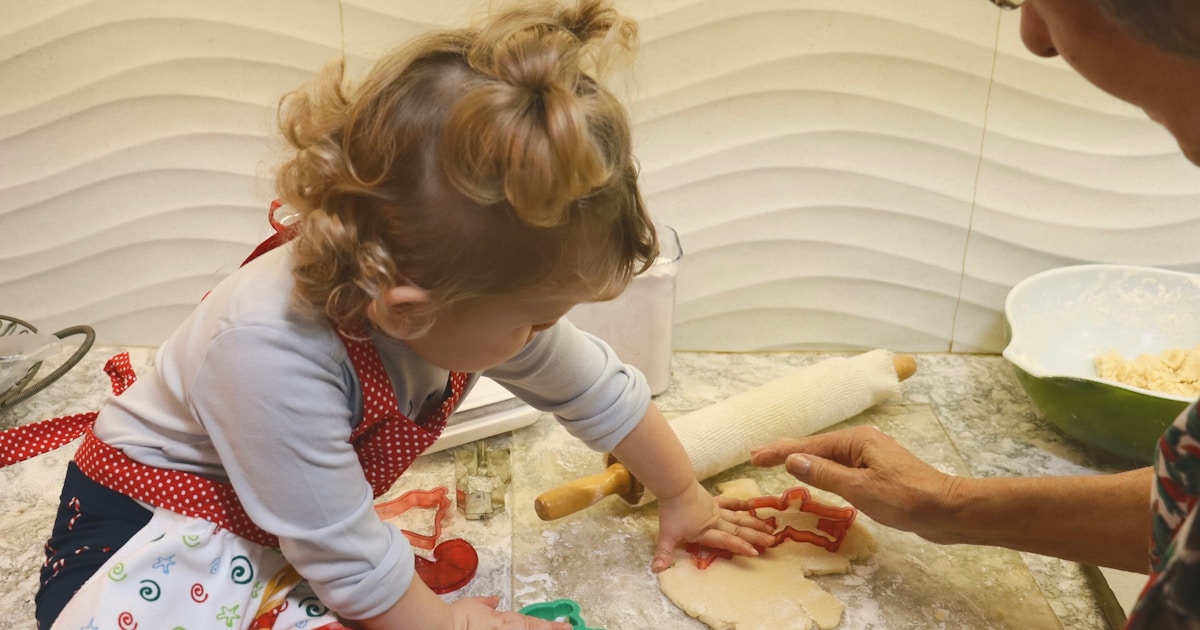
Weekend immersion moments: Dedicate one weekend morning or afternoon entirely to Spanish. Grocery shopping in Spanish, park time narrated in Spanish, cooking in Spanish. These concentrated weekend sessions remind your child that Spanish isn’t just a bedtime language — it’s woven throughout life.
The Commute Special: The Highest-Leverage Window
Among the three anchors, the commute deserves extra emphasis because it’s often underutilized and underappreciated by working parents.
Many families have 15-20 minute commutes to daycare or preschool that they currently spend in silence, English music, or English podcasts. That’s 60-80 minutes weekly of pure language time you’re not using.
Change the playlist. For the next month, make the commute exclusively Spanish music. Spanish children’s songs, Spanish pop, Spanish folk music — find what appeals to you and your child. The music is input, rhythm builds memory, and you’ll both know the songs by heart within weeks.
Alternatively, use the commute for narration and conversation. Ask your child about the day: “Hoy en la escuela, ¿qué fue lo mejor? ¿Jugaste? ¿Comiste?” (Today at school, what was the best part? Did you play? Did you eat?). Ask about tomorrow: “Mañana vamos a…?” Sing songs together. Tell stories. The isolation of the car makes it a safe space for your child to experiment with Spanish without peer pressure.
For some working families, the commute becomes the deepest language time of the day — more consistent and protective of Spanish than any other moment, because the car is truly just for the two of you.
Realistic Expectations and Progress Tracking
With 40-50 minutes of daily Spanish exposure plus weekend time and other sources, your working parent child won’t be proficient across all domains by age 5. She might not be a “balanced bilingual” (equal ability in both languages).
But she will likely develop strong receptive bilingualism (understanding Spanish well), emerging expressive ability (speaking some Spanish, especially with family), cultural connection (knowing Spanish as “her language” or “Abuela’s language”), and a foundation that can be activated later if you choose.
That’s not “failing at bilingualism.” That’s realistic, honest working parent bilingualism. And it’s vastly better than the alternative — children who understand no Spanish, lose connection to heritage culture, and have to learn as teenagers or adults if they want to reclaim family language.
Track progress quarterly, not weekly. Notice: Does your child understand more Spanish? Does she use more words? Does she initiate Spanish with relatives or respond in Spanish more readily? These shifts happen in 3-4 month cycles, not daily.
Key Takeaway: Strategic Beats Generous
Working parents often convince themselves they can’t “do bilingualism right” because they don’t have eight hours of daily Spanish. That’s false math. You don’t need eight hours. You need the right strategic moments, protected ruthlessly, building across the weeks and years.
Morning routines, bedtime rituals, and commute time are your non-negotiable Spanish anchors. Layer those with intentional media use, weekend immersion, and (if possible) Spanish childcare. Within that system, a genuinely bilingual child can absolutely emerge, even in a working parent household.
Your consistency matters more than your intensity. Your protection of Spanish moments matters more than your perfection in those moments. And your belief that bilingualism is worth protecting matters most of all.
For a complete working parent’s guide to structuring your week for bilingual success, download our free bilingual resources guide. And for age-appropriate activities, vocabulary targets, and progress milestones specifically designed for families managing work and bilingualism, the Palabra Garden 12-Month Bilingual Curriculum includes tips for maximizing anchor moments, screen-free alternatives, and realistic goals for working parent families.
Related reading: Car Ride Spanish — Turning Commutes Into a Daily Language Anchor | Spanish Screen Time That Actually Builds Vocabulary (Not Just Entertains)
Through my work as an SLP, I’ve seen how powerful early language, social-emotional development, and hands-on learning can be for toddlers and preschool-aged children. Palabra Garden brings those same principles into your home with bilingual activities, preschool curriculum ideas, and simple strategies that support growing minds.
I believe children learn best through connection, curiosity, and everyday moments of discovery.