Long-Distance Bilingualism — Making Video Calls With Family Language-Rich
By Lindsey Carleton, MA, CCC-SLP
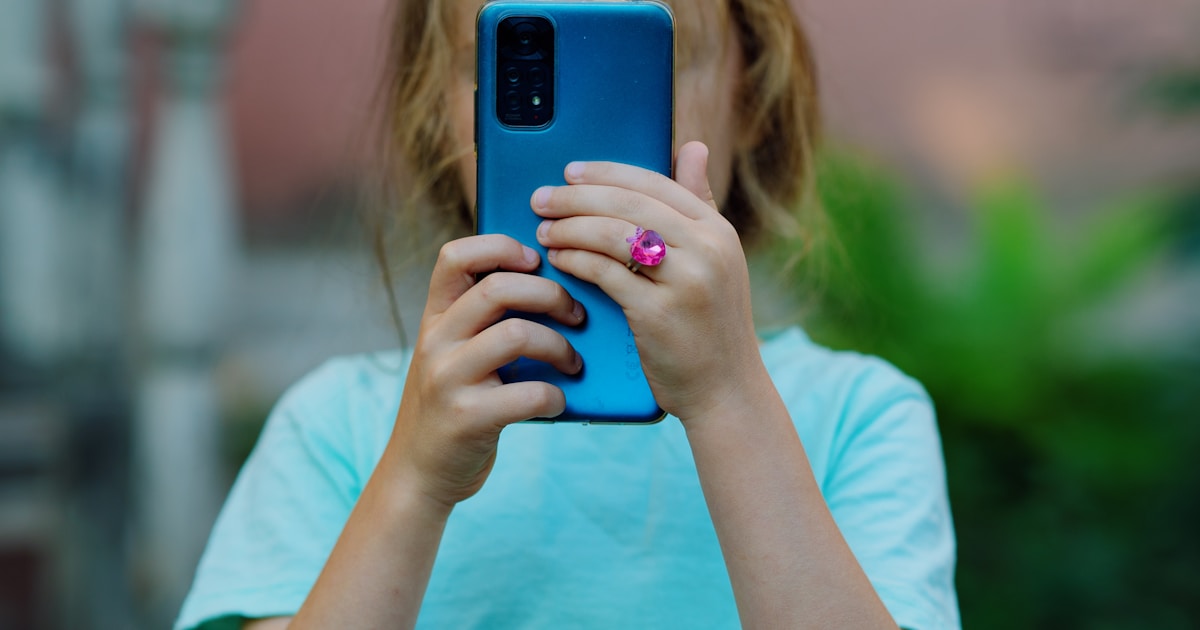
You hold up the iPad and your son’s grandmother’s face fills the screen. “¡Hola, mi cielo!” she says, waving. He stares for a moment, then turns away to grab a toy. Five minutes later, you’re trying to coax him back: “Mira, Abuela está aquí.” But he’s already moved on, and Abuela is left talking to the top of his head.
If this scene feels familiar, you’re not alone. Video calls with Spanish-speaking family are one of the most under-leveraged tools in long-distance bilingual families. They’re free, they’re available, and they connect your child to the people who matter most — but most families approach them passively, and the language benefit ends up being minimal.
The good news is that with intentional structure, video calls can become some of the most powerful Spanish input in your child’s week. The trick is treating them less like passive face-time and more like guided, activity-rich language sessions.
Why Video Calls Are Harder Than In-Person for Toddlers
Before diving into strategies, it helps to understand why young children struggle with video calls in the first place.
Toddlers are physical learners. They acquire language through movement, touch, and shared physical context. A flat screen doesn’t provide the proprioceptive and tactile input their brains crave.
Attention spans are short. A 2-year-old’s focused attention on a screen with a talking face maxes out at around 5-10 minutes. Long calls become exhausting and counterproductive.
No shared physical objects. When grandparents are in the same room, they can hand the child a toy, point to objects together, share food. On video, that shared physical world disappears.
Visual confusion. Small children sometimes don’t fully understand that the person on screen is “real” or that they can interact in real time. They may treat the screen like a TV.
These limitations don’t mean video calls don’t work — they mean video calls have to be designed differently than in-person time.
The Five Structural Shifts That Make Video Calls Work
1. Make them short and frequent, not long and occasional. Ten minutes daily beats one hour weekly. Daily exposure builds anticipation, repetition, and the sense that this person is part of everyday life. Same time of day if possible — right after breakfast, before bath, or during snack works well.
2. Build the call around a shared activity, not just talking. Toddlers can’t sustain conversation with a face on a screen, but they can sustain a shared activity. Some that work beautifully:
-
Synchronized snack time. Both child and grandparent eat the same snack on camera while talking about it. (“Estoy comiendo manzana. ¿Y tú? Sí, fresas. ¡Qué ricas!”)
-
Story time. Grandparent reads a Spanish picture book while showing the pictures.
-
Cooking parallel. Both make the same simple recipe (mixing batter, decorating cookies) and narrate as they go.
-
Singing time. Familiar Spanish songs with motions — “Los pollitos,” “Pin Pon,” “Sol solecito.”
-
Show and tell. Child shows grandparent one new toy or book each call, grandparent asks questions about it.
-
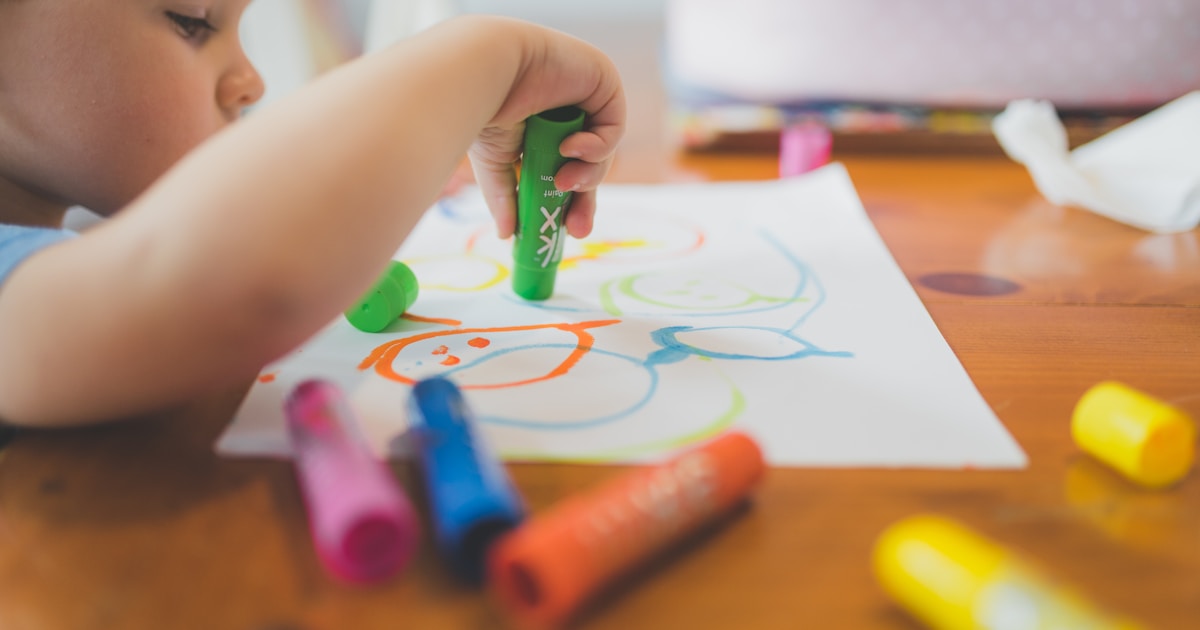
Coloring together. Both color the same printable while talking about colors and what they’re drawing.
3. Set expectations with grandparents. Many grandparents default to peppering kids with questions (“¿Cómo estás? ¿Qué hiciste hoy? ¿Te portaste bien?”) which overwhelms toddlers. Coach them to:
-
Lead with action, not interrogation
-
Narrate their own world (“Mira, estoy en la cocina. Estoy haciendo café.”)
-
Sing, read, or do an activity rather than expect conversation
-
Accept short answers and silences without panic
4. Position the camera for engagement. Prop the device at toddler eye level on a sturdy stand. Hand-holding the device creates motion sickness and makes kids less able to focus. A dedicated tablet stand on the kitchen table or play area transforms call quality.
5. End before they melt down. The goal is leaving them wanting more, not pushing through tears. Set a timer or end on a positive ritual (“Mándale un beso a Abuela. Hasta mañana.”). Short, positive calls build the habit.
The “Parallel Activity” System
The single biggest upgrade most families can make is shifting from “Talk to Abuela” calls to “Do an activity with Abuela” calls. Here’s a sample weekly rhythm:
-
Monday: Spanish story time — grandparent reads a picture book
-
Tuesday: Snack and chat — both eat the same snack, narrate flavors, colors
-
Wednesday: Song and dance — 2-3 familiar Spanish songs with motions
-
Thursday: Show and tell — child shows one toy, grandparent asks Spanish questions
-
Friday: Cooking parallel — both make a simple snack
-
Saturday: Family video call — longer call with multiple family members for cultural connection
-
Sunday: Free play / craft — child plays with blocks or colors while grandparent narrates
This rhythm creates predictability (toddlers thrive on it), variety (prevents boredom), and gives grandparents specific roles rather than the vague pressure to “have a conversation.”
What to Do When Your Child Resists Video Calls
It’s normal for toddlers to go through phases of resisting video calls. Don’t force it — that creates negative associations. Instead:
-
Shorten the calls. Three minutes is fine.
-
Change the activity. If story time isn’t working, try songs or showing the dog.
-
Try a different time of day. Mornings often work better than tired evenings.
-
Have grandparents bring something visual. A puppet, a cooking demo, the family pet.
-
Watch back recorded videos instead. Some grandparents send short Spanish video messages the child can rewatch — this often works better than live calls for very young toddlers.
Layering Recorded Content Between Calls
Live video calls aren’t your only long-distance option. Many families build powerful Spanish input through:
-
Voice messages. Grandparents send 30-second WhatsApp voice notes throughout the day — short stories, songs, “I love yous.” Kids replay these constantly.
-
Recorded story time. Grandparents record themselves reading favorite books. The child watches the video while looking at the same physical book at home.
-
Custom Spanish songs. Grandparents record themselves singing songs they sang to their own children.
-
Photo and audio messages. “Aquí estoy en el jardín. Mira las flores que sembré para ti.”
These asynchronous formats give your child Spanish input even when live calls aren’t possible — and they create keepsakes you’ll cherish for decades.
Connecting Long-Distance Calls to Daily Home Spanish
Video calls work best when they’re woven into the broader fabric of your child’s bilingual life rather than treated as the only Spanish source. Pair calls with:
-
Spanish books at home that grandparents have also read on calls (the child connects the experience)
-
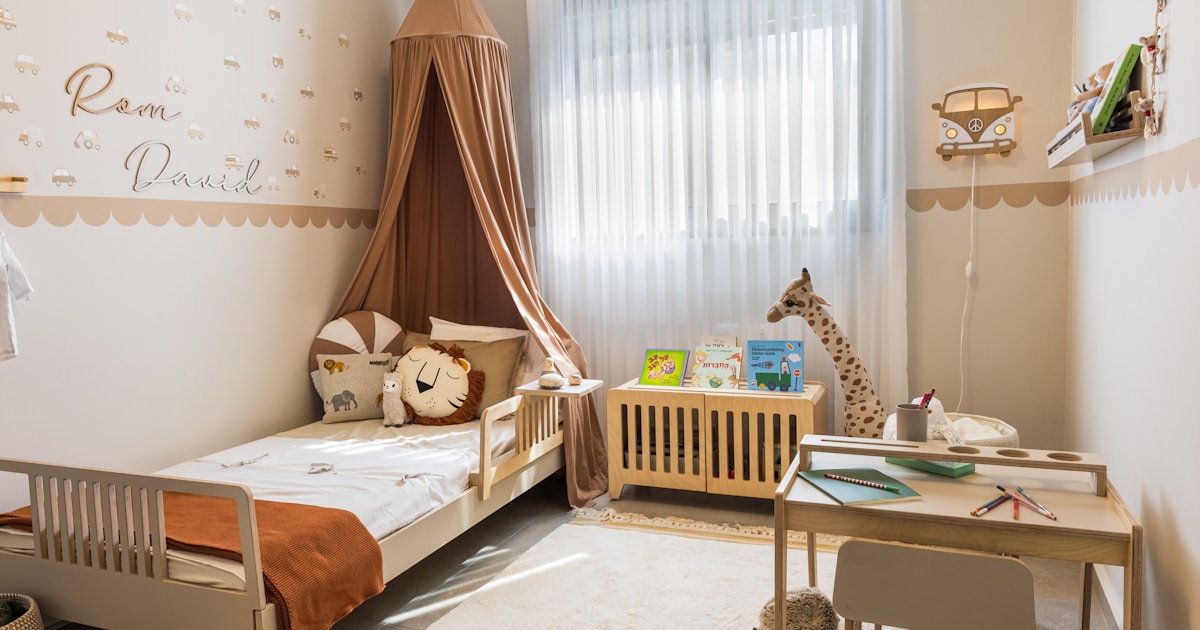
Photos of grandparents displayed in your child’s room with their names in Spanish (“Esta es Abuela. Vive en México.”)
-
Cultural foods that grandparents talk about and that you make at home
-
Stories about family told in Spanish at bedtime or during car rides (see Car Ride Spanish — Turning Commutes Into a Daily Language Anchor)
When abuelos are integrated into your child’s daily Spanish landscape — not just a face on a screen — the language becomes part of who your child is.
Key Takeaway: Structure Turns Video Calls Into Real Bilingual Input
Casual video calls produce casual results. But when you design calls around shared activities, keep them short and daily, coach grandparents on what works for toddlers, and layer in recorded content between calls, long-distance Spanish family time becomes a serious bilingual development tool.
Your child’s relationship with distant abuelos doesn’t have to be limited by geography. With intentional structure, the screen becomes a window — not a barrier — to the Spanish-speaking love and culture that’s part of who they are.
For printable activity guides and grandparent coaching scripts to make video calls language-rich, download our free bilingual resources guide. And for a complete monthly plan that integrates long-distance family input with daily home strategies, the Palabra Garden 12-Month Bilingual Curriculum gives you the full system to support your child’s bilingual development from anywhere in the world.
Related reading: When Grandparents Are Your Child’s Main Spanish Connection
About the Author
Hi, I’m Lindsey Carleton, MA, CCC-SLP, a bilingual speech-language pathologist with more than 11 years of experience and a fellow toddler mom. I created Palabra Garden to support families who want intentional, play-based learning at home.
Through my work as an SLP, I’ve seen how powerful early language, social-emotional development, and hands-on learning can be for toddlers and preschool-aged children. Palabra Garden brings those same principles into your home with bilingual activities, preschool curriculum ideas, and simple strategies that support growing minds.
I believe children learn best through connection, curiosity, and everyday moments of discovery.