Outdoor and Nature Spanish -- Building Vocabulary Through Play
By Lindsey Carleton, MA, CCC-SLP
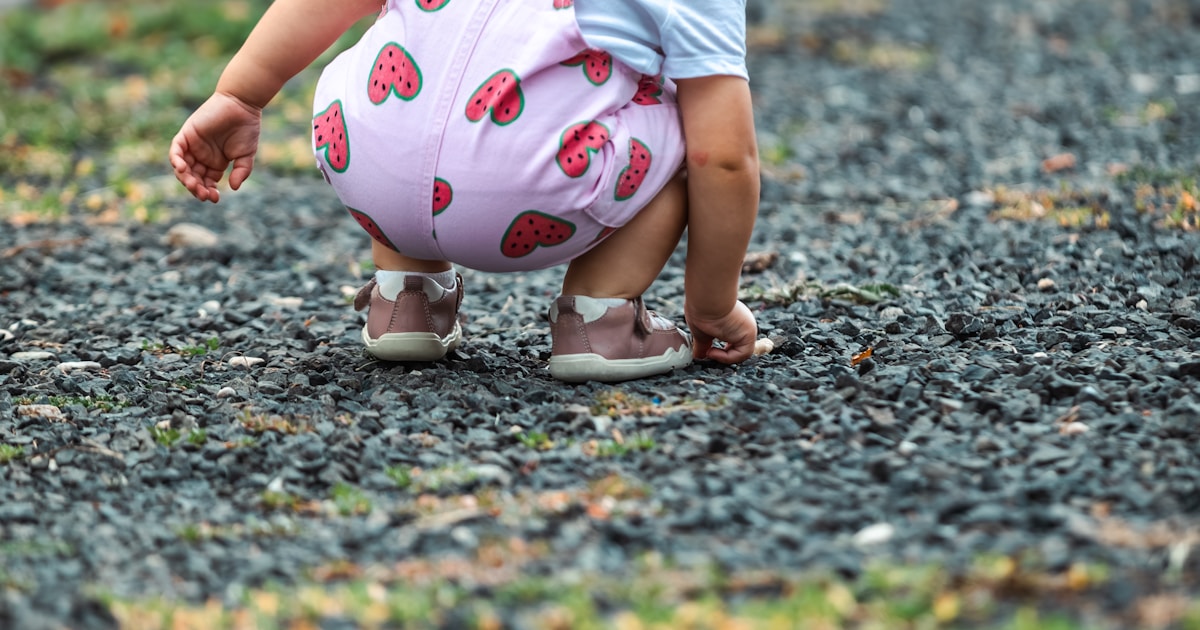
Your son spots a butterfly fluttering past the park bench and points, eyes wide. Without thinking, you say, “Mira la mariposa” (Look at the butterfly). He watches it dance through the air, completely absorbed, and in that moment something quiet and powerful happens — he’s learning Spanish not as a subject, but as the natural language for naming the world around him.
Outdoor spaces are some of the richest language environments available to bilingual families. There’s concrete action happening, visible objects everywhere, sensory input that keeps children engaged, and endless opportunities for narration and discovery. Yet many families default to English for outdoor play, not realizing that parks, gardens, and nature walks can become some of their child’s most valuable Spanish practice.
This post is about reclaiming outdoor time as intentional Spanish time — not as an add-on or a separate activity, but as the default language for the whole experience. We’ll cover vocabulary building, action verbs, how to make outdoor play interactive in Spanish, and how seasonal rhythms create natural opportunities for repeated, meaningful language practice.
Why Nature Is Perfect for Spanish Learning
Dynamic and multi-sensory. A park isn’t static. Things move, change, invite touch and exploration. Your child hears bird sounds, feels wind, watches leaves move, touches tree bark. When you layer Spanish onto all that sensory input, the language sticks because it’s tied to real experience, not just your voice.
Built-in repetition. You go to the same park, see similar trees and animals, observe seasonal changes in the same spaces. That repeated context builds vocabulary because your child encounters “árbol,” “hoja,” and “pájaro” again and again in similar settings.
Intrinsic motivation. Children are naturally driven to explore outdoor spaces. The motivation to look and move comes from inside them, not from adult instruction. You’re simply naming what they’re already drawn to — which is far more effective than trying to force attention to predetermined lessons.
Active verbs and movement. Parks demand action: running, climbing, jumping, digging, throwing. These gross motor verbs become real and embodied when your child is literally doing them. Hearing “salta” while your child is actively jumping embeds the word at a physical level beyond passive listening.
Cultural connection. How families spend time outdoors varies across cultures. Visiting parks, gardening practices, relationships with animals — these are culturally meaningful, and when you engage them in Spanish, you’re building not just vocabulary but cultural identity.
Core Nature Vocabulary to Build
Rather than trying to teach all of nature, start with the elements your child encounters most often in your specific outdoor spaces.
Trees and plants: árbol (tree), hoja (leaf), rama (branch), flor (flower), pasto (grass), maleza (weed), semilla (seed)
Animals and insects: pájaro (bird), mariposa (butterfly), hormiga (ant), abeja (bee), perro (dog), gato (cat)
Weather and sky: sol (sun), nube (cloud), lluvia (rain), viento (wind), nieve (snow), cielo (sky)
Ground and natural materials: piedra (rock), palo (stick), agua (water), barro (mud), arena (sand)
Colors and descriptors: verde (green), marrón/café (brown), amarillo (yellow), grande (big), pequeño (small), largo (long), mojado (wet), seco (dry)
Choose 3-5 that match your environment and use them consistently. If you’re in an area with lots of birds, build “pájaro” vocabulary deeply. If you’re near water, focus on water-related words. Depth beats breadth for young learners.
Action Verbs: Making the Park a Movement Laboratory
This is where outdoor Spanish becomes especially powerful. Parks are verb laboratories — everything is action.
Gross motor verbs: correr (run), saltar (jump), trepar (climb), gatear (crawl), rodar (roll), caminar (walk), bailar (dance), balancearse (swing), deslizarse (slide)
Manipulation verbs: agarrar (grab), tirar (throw), recoger (pick up), cavar (dig), empujar (push), jalar (pull), rascar (scratch)
Observation verbs: mirar (look), observar (watch), buscar (search), encontrar (find)
Rather than naming these verbs abstractly, narrate your child’s actual actions as they happen. While your son is climbing the jungle gym, say, “¡Estás trepando! Estás trepando muy alto” (You’re climbing! You’re climbing so high). While your daughter is digging in the sandbox, “Estás cavando, cavando profundo en la arena” (You’re digging, digging deep in the sand).
This kind of “parallel talk” — narrating what your child is doing — is one of the most powerful language-building techniques. She’s intrinsically motivated, fully engaged in the action, and hearing Spanish words paired directly with those actions. That pairing builds understanding faster than any instruction could.
Interactive Nature Games in Spanish
Outdoor play naturally invites games, and games are where language learning becomes pure joy.
Binoculars Search: Hand your child pretend binoculars (or actual toy ones) and give hunt instructions: “Busca pájaros. ¿Ves un pájaro?” (Search for birds. Do you see a bird?). “Mira arriba, en el árbol” (Look up, in the tree). You’re building observation verbs, spatial language (“arriba” — up, “abajo” — down), and focused attention.
Color Hunt: “Busca algo verde” (Find something green). Let her explore and collect items matching the color. As she brings items, you narrate: “Encontraste una hoja verde. Encontraste un palo verde. ¿Qué más es verde?” (You found a green leaf. You found a green stick. What else is green?). This builds color vocabulary, past tense verbs, and exploration skills.
Natural Textures: Have her touch different tree bark, leaves, rocks, and describe: “Este árbol es áspero” (This tree is rough). “Esta hoja es suave” (This leaf is soft). “La piedra es fría” (The rock is cold). You’re building tactile vocabulary and sensory descriptors.
Sound Walk: Sit quietly and listen. Describe what you hear: “Oigo a los pájaros. Oigo el viento en las hojas. ¿Qué oyes tú?” (I hear the birds. I hear the wind in the leaves. What do you hear?). You’re building listening vocabulary and attention to the acoustic environment.
Shadow Play: On sunny days, point to shadows: “Mira tu sombra. La sombra crece cuando corre. Estás saltando y tu sombra salta también” (Look at your shadow. The shadow grows when it runs. You’re jumping and your shadow jumps too). You’re building awareness of space and motion while naming what you both observe.
Seasonal Spanish: The Year-Long Language Spiral
Seasons offer a beautiful opportunity for repeated vocabulary across months, showing your child how Spanish speakers describe natural changes.
Spring (Primavera): Flowers bloom (las flores florecen), plants grow (las plantas crecen), baby animals arrive (los animales bebés llegan), days get longer (los días se alargan). You might focus on: flor, floreciente, crecimiento, pájaro joven, nido (flower, blooming, growth, young bird, nest).
Summer (Verano): It’s hot and dry (está caliente y seco), children play outside constantly (los niños juegan afuera mucho), insects are everywhere (los insectos están en todas partes). Key words: sol caliente, picnic, insecto, hormiga, abeja, vacaciones (hot sun, picnic, insect, ant, bee, vacation).
Fall/Autumn (Otoño): Leaves change colors and fall (las hojas cambian de color y caen), the weather cools (el clima se enfría), harvest happens (la cosecha llega). Focus on: hoja roja, hoja amarilla, hoja que cae, más frío (red leaf, yellow leaf, falling leaf, colder).
Winter (Invierno): It’s cold and possibly snowy (hace frío y posiblemente nieve), fewer animals are visible (hay menos animales visibles), the landscape is bare (el paisaje está desnudo). Emphasize: nieve, frío, gorro (snow, cold, hat), guantes (gloves).
By visiting the same parks seasonally and using similar language structure — “Mira cómo está diferente ahora” (Look how it’s different now) — you’re building not just seasonal vocabulary but the concept of cycles and change, which is cognitively advanced and meaningful.
Garden Play: The Deepest Nature Connection
If you have access to any outdoor growing space — even a few pots on a balcony — gardening in Spanish becomes extraordinary language practice and sensory learning.
Planting: Name the tools (pala, rastrillo, regadera — shovel, rake, watering can), the materials (tierra, semilla, agua — soil, seed, water), and the actions (plantar, regar, cavar). Let your child help you plant seeds or seedlings, narrating as you go: “Ahora cavamos un hoyo. Ponemos la semilla aquí. Cubrimos con tierra. Ahora regamos” (Now we dig a hole. We put the seed here. We cover it with soil. Now we water).
Tending: Weekly gardening creates recurring language: “¿Tiene agua la planta? Vamos a regar. Mira cómo crecen las hojas” (Does the plant have water? Let’s water it. Look how the leaves are growing). You’re building present tense, observation verbs, and care language naturally.
Harvesting: When plants grow enough to harvest, the joy is unmatchable. “¡Crecieron las tomates! ¡Las cosechamos! ¿Vamos a comerlas?” (The tomatoes grew! We harvested them! Are we going to eat them?). You’re connecting plants to food, growth to benefit, Spanish language to meaningful outcome.
Gardening is especially powerful for children who are visual and kinesthetic learners, and it creates a long-term language project where vocabulary is distributed across months and seasons.
Safety and Engagement: Realistic Expectations
Not every outdoor moment will be perfectly language-rich, and that’s okay. Some days your child will be fully absorbed in play and won’t want conversation. Some days you’ll be chasing her and won’t have energy for narration. That’s still fine — exposure happens even when it’s not deliberate.
Your goal is consistency and presence, not perfection. A 20-minute park visit twice weekly, where you’re narrating some of what you see and notice, builds far more Spanish vocabulary than occasional intensive “language lessons” in the park.
Be especially attuned to your child’s interests and follow her lead. If she becomes fascinated with ants, let that become a deep dive into ant vocabulary and behavior. That intrinsic motivation — her genuine curiosity — is where learning becomes sticky.
And remember: seasonal, sensory outdoor time in Spanish isn’t just about vocabulary. It’s about helping your child see Spanish as the natural language for naming and exploring the world, not as something separate from living.
Key Takeaway: Nature Is Spanish’s Natural Classroom
Outdoor play doesn’t need special materials, structured lessons, or preparation beyond what you’re already doing. Parks, gardens, and nature walks are inherently rich language environments — full of action, sensory input, and objects to name. By narrating what you and your child observe and do in Spanish, using action verbs as you move together, and returning to the same spaces across seasons, you’re building vocabulary depth and teaching your child that Spanish is the language for understanding and engaging with the natural world.
Over months and seasons, outdoor play becomes not just physical activity but a cornerstone of your child’s Spanish exposure and natural curiosity about how the world works.
For a complete guide to nature-based Spanish activities across seasons and ages, download our free bilingual resources guide. And for structured vocabulary units, nature observation activities, and outdoor play ideas integrated into your bilingual family’s year, the Palabra Garden 12-Month Bilingual Curriculum includes seasonal units on nature, outdoor play vocabulary, and observation games for toddlers through preschool.
Related reading: Sensory Play in Spanish — Vocabulary Through Hands-On Discovery | Car Ride Spanish — Turning Commutes Into a Daily Language Anchor
About the Author
Hi, I’m Lindsey Carleton, MA, CCC-SLP, a bilingual speech-language pathologist with more than 11 years of experience and a fellow toddler mom. I created Palabra Garden to support families who want intentional, play-based learning at home.
Through my work as an SLP, I’ve seen how powerful early language, social-emotional development, and hands-on learning can be for toddlers and preschool-aged children. Palabra Garden brings those same principles into your home with bilingual activities, preschool curriculum ideas, and simple strategies that support growing minds.
I believe children learn best through connection, curiosity, and everyday moments of discovery.