How to Read Aloud to Your Child in Spanish (Even If You're Not Fluent)
By Lindsey Carleton, MA, CCC-SLP
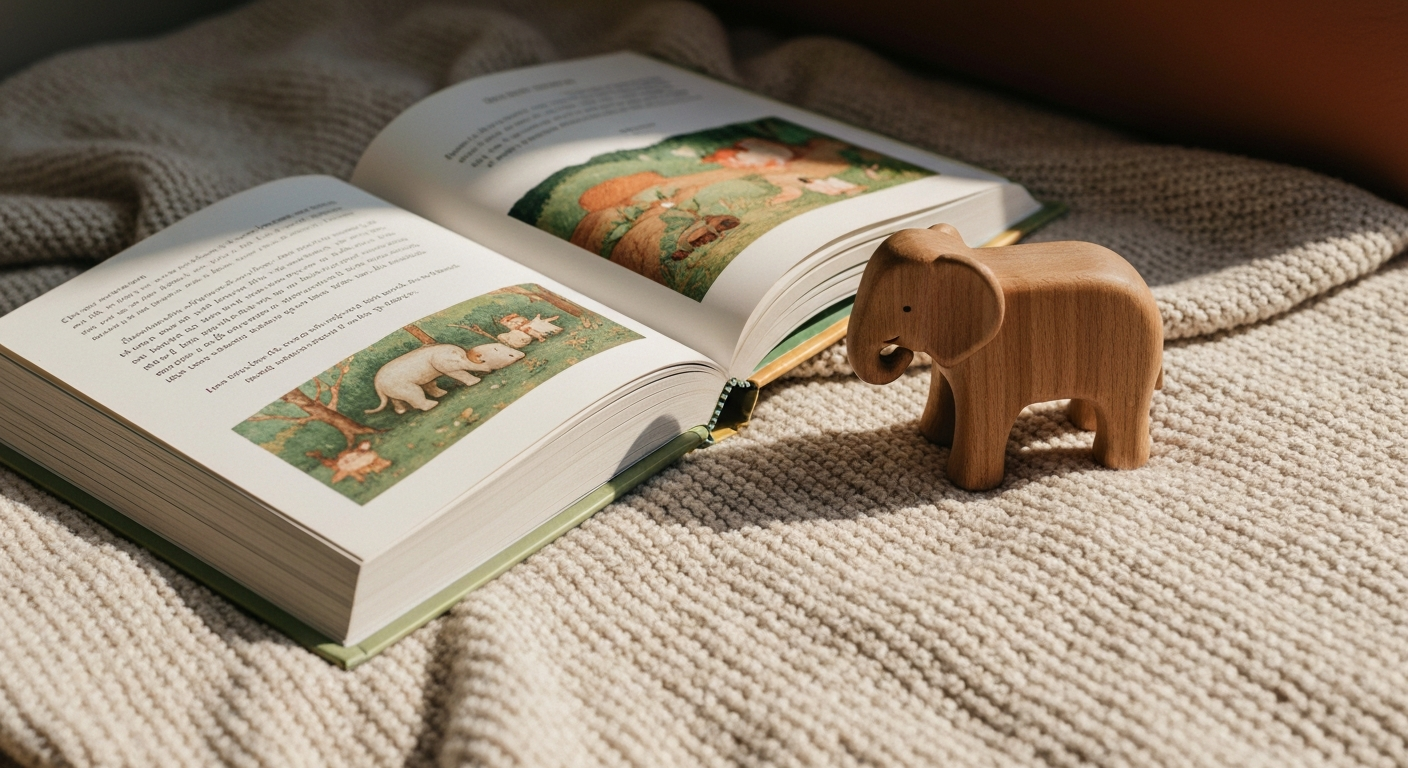
Here’s the truth: imperfect Spanish reading is infinitely better than no Spanish reading. Your child doesn’t need you to be fluent. They need you to show them that Spanish is a language worth using, that books are valuable, and that you’re willing to try. The pronunciation you model doesn’t have to be perfect — it just has to be consistent and genuinely attempted.
I’m going to walk you through exactly how to read Spanish books aloud confidently, even if you’re not fluent, and how to make it a routine your child actually looks forward to.
Step 1: Choose the Right Books for Your Spanish Level
Your first filter isn’t about your child’s level — it’s about your comfort level. If you hate the book or feel anxious reading it aloud, that anxiety transfers to your child. Start with books that feel manageable to you.
Bilingual books are your friend. These books have English on one side and Spanish on the other, or they alternate between languages. You’ll see the English pronunciation guide right there next to the Spanish. You’re not reading blind. You can check the English to confirm you’re on track, and your child still gets the Spanish modeled.
Bilingual board books are perfect for toddlers ages 2 to 4. They have fewer words per page, so you’re not overwhelmed. Books like “Brown Bear, Brown Bear, What Do You See?” are available in English-Spanish editions and use repetitive language that’s easy to predict even if you’re not fluent.
Spanish-only books with pictures are your next level. Choose books where the pictures tell most of the story. If you can’t remember the exact word for something, you can point to the picture and let your child see what’s happening. Picture books are forgiving because the visual context carries meaning even if your pronunciation or word choice isn’t perfect.
Avoid dense chapter books or books with lots of dialogue if you’re just starting. That’s a setup for frustration. Start small and build confidence.
Step 2: Preview the Book Before You Read It Aloud
Never, ever read a Spanish book aloud to your child for the first time without looking at it yourself first. Even if you speak Spanish conversationally, reading requires different preparation.
Sit down with the book by yourself five to ten minutes before you plan to read it. Read through it in Spanish, not English. Yes, you’ll probably stumble. Yes, you’ll probably find words you don’t recognize. That’s completely normal and exactly why you’re doing this preview.
As you preview, mark three things: words you’re not sure how to pronounce, words you don’t understand, and rhythm breaks where you’ll naturally pause for effect. You want reading aloud to feel natural, not like a translation exercise.
Step 3: Look Up Pronunciations That Matter
You don’t need to look up every single word. Focus on the key words — the ones that come up multiple times or carry the main meaning of the story.
Use Google Translate’s audio feature. Type the Spanish word into the search box, and Google will pronounce it for you. Play it through once or twice until it sticks in your head. You don’t need to be perfect, but you should feel confident enough that you’re not going to second-guess yourself mid-read.
Use Forvo.com. This website is a database of native speakers pronouncing words in any language. Search for the Spanish word, and you’ll hear exactly how it’s pronounced by someone who speaks Spanish natively. It takes two minutes, and your pronunciation will be solid.
Ask a Spanish-speaking friend or family member. Text them a quick voice message: “How do you say…?” Most people love being asked. You’re not putting them on the spot; you’re showing them you care enough to get it right.
The point is this: spending ten minutes prepping your pronunciation now means you can read confidently later. Your child doesn’t see the prep work. They just see you modeling Spanish with genuine confidence.
Step 4: Read Aloud with Presence, Not Perfection
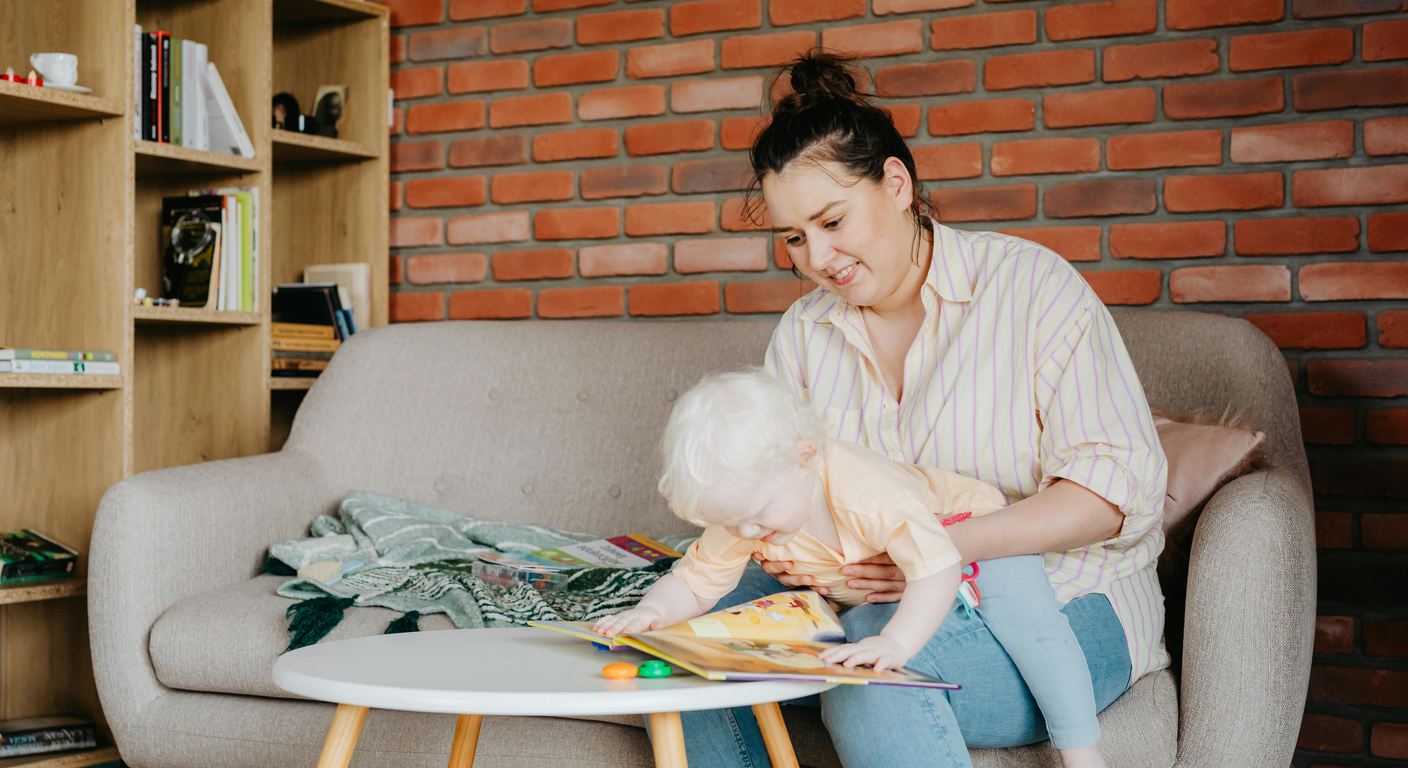
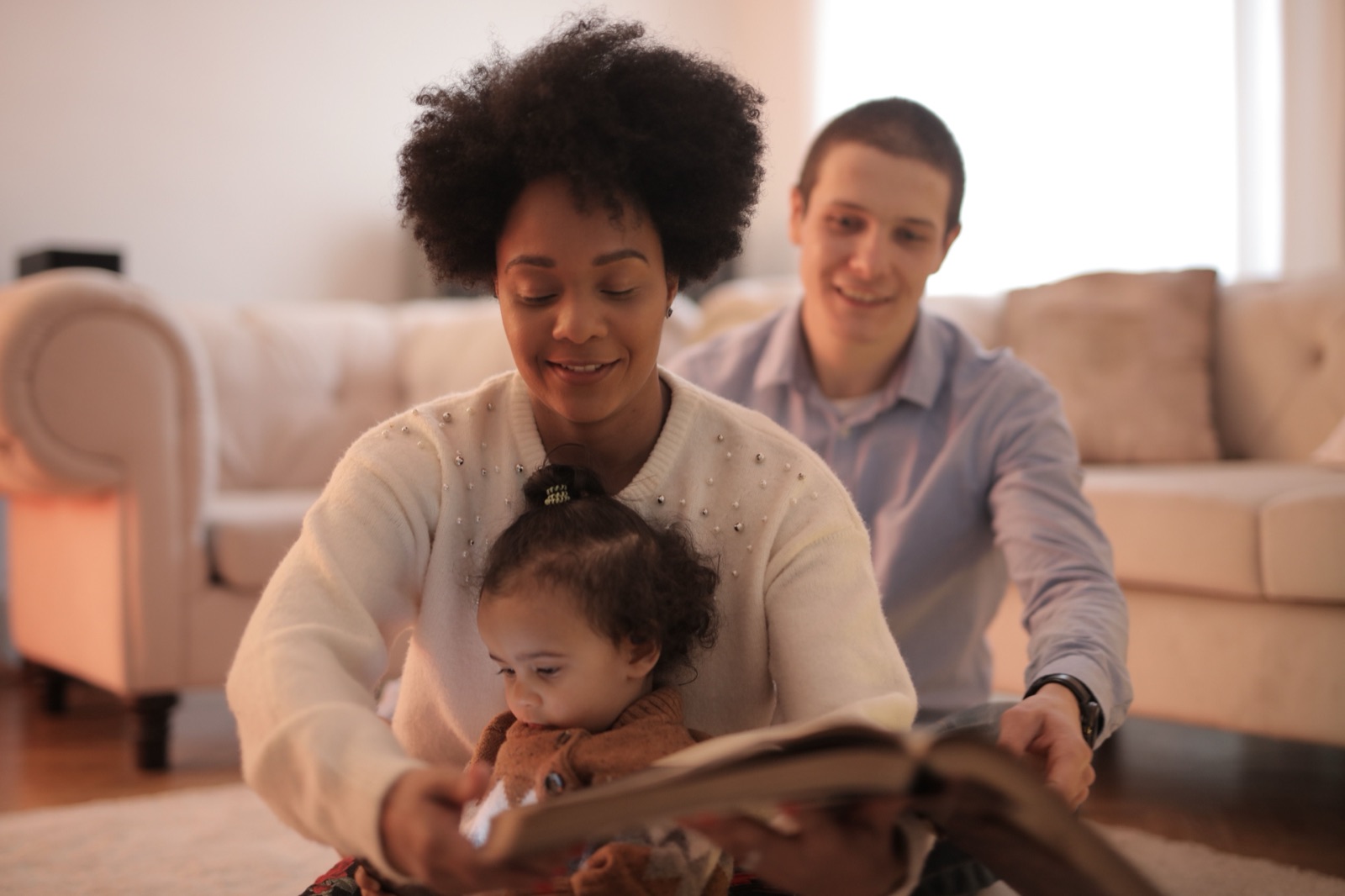
When you sit down to read, your job is to be present and engaged, not to be a perfect Spanish speaker. Read with expression. Use different voices for different characters if the book has them. Pause for your child to look at pictures. Laugh at funny parts.
If you mispronounce a word and your child doesn’t correct you, keep going. You don’t need to stop and say “wait, let me get that right.” Your child isn’t listening for errors. They’re listening to the story and absorbing the sound of Spanish being read with care and attention.
If you absolutely don’t know a word and can’t figure it out from context, you have three good options: skip it and keep reading, point to the picture and say it in English, or say “I’m not sure how to say that one, but here’s what the picture shows…” Modeling that you can problem-solve builds way more confidence in your child than pretending to know everything.
Read slowly enough that your child can process the language. Bilingual children need a tiny bit more processing time than monolingual children. A slow, deliberate read isn’t boring — it’s respectful of their brain’s work.
Labeling Pictures: The Sneaky Spanish Boost
Here’s a technique that works even if you’re reading an English book: point to pictures and label them in Spanish.
You’re reading “Guess How Much I Love You” in English because that’s the book your child wants. But when the rabbit appears on the page, pause and say “Mira, el conejito!” (Look, the little rabbit!). When they’re looking at the moon, say “La luna.” When the parent rabbit is hugging the baby rabbit, say “Abrazos!” (Hugs!)
You’re not changing the book. You’re not turning English reading time into a translation lesson. You’re just adding a layer of Spanish vocabulary to the experience your child is already having. It takes zero extra time, and it’s incredibly effective.
This works especially well if you’re not fluent. You only need to know five to ten key vocabulary words from the book. You can prep those in five minutes. Your child gets Spanish exposure, and you don’t have the pressure of reading an entire Spanish book aloud.
How Much Spanish Should You Read?
Start with ten to fifteen minutes of Spanish reading time per week. That’s two five-minute stories, or one fifteen-minute story. It’s manageable even if Spanish reading feels awkward at first.
As you get more confident, you might add a Spanish book to your bedtime routine (fifteen to twenty minutes daily) or swap out one of your English books during the week for a Spanish one.
The goal isn’t to read exclusively in Spanish. It’s to normalize Spanish as a language for reading and stories. Your child should see and hear you reading Spanish the same way they see and hear you reading English — regularly, naturally, and with genuine enjoyment.
When to Ask for Help (And Why It’s Okay)
If there’s a Spanish-speaking grandparent, aunt, uncle, or friend in your life, invite them to read Spanish stories to your child. Rotate the responsibility. You read some, they read some. Your child gets exposure to different Spanish-speaking voices and different rhythms of reading.
Don’t frame it as “I’m not good enough, so you do this.” Frame it as “We love Spanish books in our family, and we have different people who read them.” It’s more natural, your child benefits from hearing multiple Spanish speakers, and you’re not carrying all the weight yourself.
Some families hire a bilingual babysitter or tutor specifically for reading time. Others do library story time in Spanish if their community offers it. These are all valid ways to build Spanish reading exposure alongside your own efforts.
Building Reading into Your Bilingual Routine
For a comprehensive guide to structuring your entire day around Spanish language exposure, check out our guide to bilingual bedtime routines. Reading is often the anchor point for bedtime, so it’s worth intentionally building that routine in Spanish.
Also see our complete guide to bilingual books for toddlers for book recommendations by age and language level. It includes books that are specifically easy for non-fluent parents to read aloud.
If you’re working on building a consistent daily schedule that includes multiple bilingual windows, our article on daily bilingual schedules shows you exactly where reading fits and how to create natural transitions between English and Spanish throughout your day.
The Deeper Reason Your “Imperfect” Spanish Actually Works
Here’s what research shows: children don’t learn language from perfect models. They learn from engaged caregivers who are genuinely trying to communicate. Your willingness to read Spanish aloud, even imperfectly, tells your child something crucial: “Spanish is worth my effort. Spanish is part of how we connect in this family.”
When your child hears you stumble on a pronunciation and then figure it out, they learn that language learning is a process. When you use a Spanish word in context and they understand you because of the pictures and your expression, they learn that communication is about meaning, not perfection.
Your imperfect Spanish reading is actually a gift. It models courage and persistence. It shows your child that adults are learners too. And honestly, it’s way more effective for building a bilingual child than staying silent because you’re not fluent.
Start This Week
Pick one bilingual book. Look it up before you read it. Spend ten minutes prepping pronunciations. Then sit down with your child and read it aloud with full presence and attention.
That’s it. That’s how you start reading Spanish to your child even if you’re not fluent. You don’t need a perfect accent. You don’t need a degree in Spanish. You just need to show up and try.
For parents who want more structured support for building bilingual literacy (and all the other language-building routines), download our free bilingual resources guide. It includes book lists, vocabulary for common reading moments, and a simple checklist for making reading time bilingual without the stress.
Turn Reading Into Your Superpower
If you want a complete, step-by-step program for raising a bilingual child ages 2 to 5, including exactly which books to use for each age and language level, our 12-Month Bilingual Curriculum has a full reading module. It includes Spanish-language book lists organized by age, guided reading tips for non-fluent parents, and how to layer Spanish reading into your daily routine alongside other language-building activities.
Your child is waiting for that Spanish story. And you — imperfect Spanish and all — are exactly the person they need to read it.