Día de los Muertos for Bilingual Families — A Toddler-Friendly Primer
By Lindsey Carleton, MA, CCC-SLP
A small disclaimer before we start, because it matters here more than usual: I’m not Mexican. I’m a speech-language pathologist who learned Spanish in college and in clinical work, and I am writing this as someone outside the culture, for other families who are also outside the culture and trying to do this with respect. If you want a primary source, the best thing you can do — and what I’ve done myself — is read Mexican authors writing about their own tradition. I’ll link a few approaches at the end. What follows is the version I share with non-Latino bilingual families when they ask me, “Are we allowed to do this, and if so, how?”
What Día de los Muertos actually is
Día de los Muertos, or Día de Muertos, is a Mexican holiday observed primarily on November 1 (Día de los Inocentes, honoring children who have died) and November 2 (Día de los Muertos, honoring adults). It is not “Mexican Halloween.” It is not a single-day event. And depending on which region of Mexico — or which Mexican community in the US — you’re talking about, the practices look different.
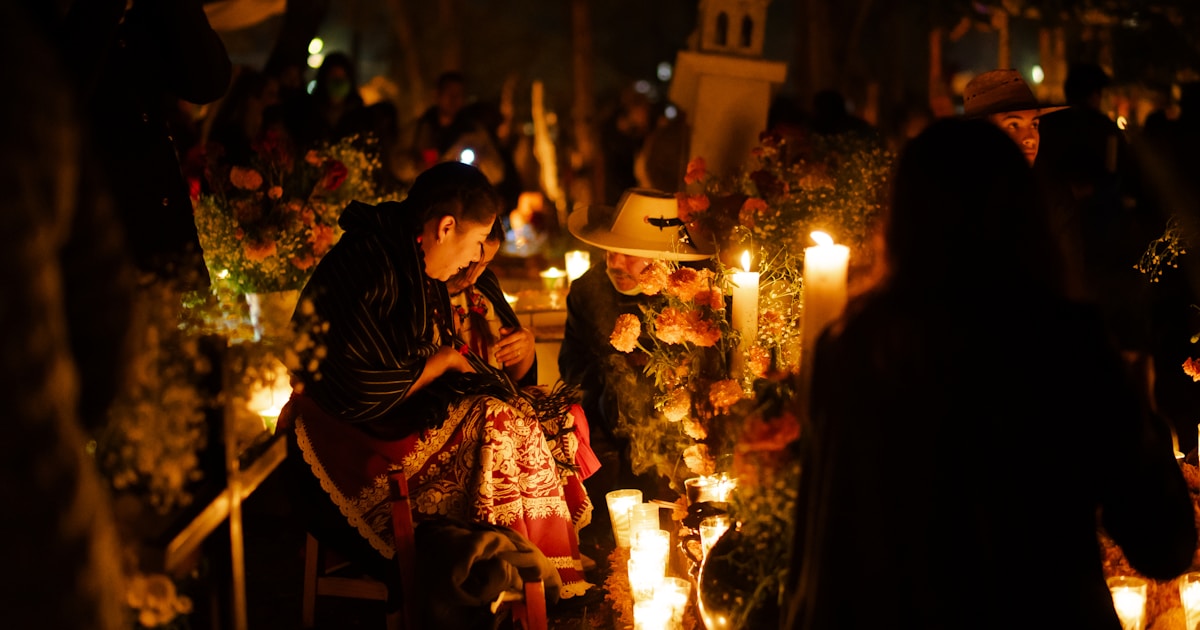
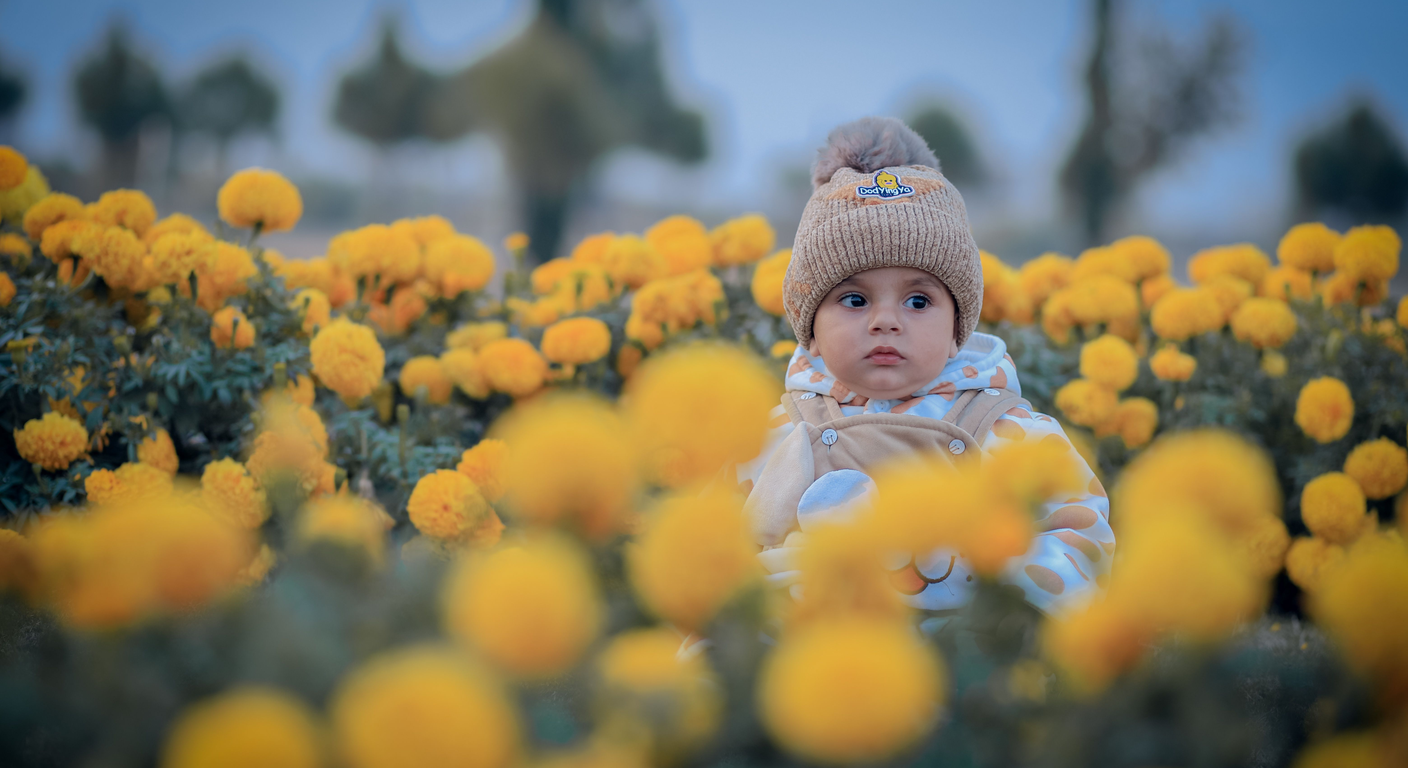
At its heart, it is a tradition of welcoming the spirits of deceased loved ones back for a brief visit. Families build ofrendas (altars) in their homes or in cemeteries with photos of the dead, the foods and drinks the dead person loved, marigolds (flor de cempasúchil) to guide the spirits, candles to light their way, and pan de muerto (bread of the dead). The tone in most homes is not somber. It’s affectionate, conversational, often funny — death is treated as part of life, not an enemy.
Where the tradition comes from is genuinely debated, and it’s worth saying so rather than picking a side. Many accounts trace it to Mesoamerican beliefs about death and the underworld, predating Spanish colonization by a long way. Other historians argue the celebration as we know it owes much more to European All Saints’ and All Souls’ customs, and that its modern indigenous-forward form was consolidated in the twentieth century as part of building a national identity. Most likely it is genuinely syncretic — indigenous practice and Catholic observance layered on each other over centuries. It has continued to evolve — including the recent global visibility from the film Coco and from the parade in Mexico City, which is itself a fairly recent invention.
What Día de los Muertos isn’t
A few things worth being clear about, because they come up in well-meaning households a lot.
- It is not Halloween. Different origin, different purpose, different tone. They sit on adjacent dates by accident of the Christian calendar, not by relationship.
- It is not a costume. A child dressed as a skeleton or with sugar-skull face paint as a Halloween costume is a different thing from a child participating in a real cultural observance. The visual elements of Día de los Muertos have been borrowed heavily by Halloween marketing, and the result has flattened a real tradition into a “look.” If your family isn’t Mexican and isn’t connected to a Mexican community, putting your toddler in a catrina costume on October 31 is something worth thinking twice about.
- It is not universally Latino. Día de los Muertos is specifically Mexican (and observed in some Central American countries with regional variations). It is not the same as the Day of the Dead traditions in other countries, and treating it as a generic Latino holiday flattens real differences.
- It is not somber. The mood is affectionate and warm, not mournful. Families talk to their dead. Children play near the ofrenda. It is a celebration of continued connection, not a memorial service.
Can non-Latino families participate?
This is the actual question most readers came here for. My honest answer, after thinking about it a lot and talking to Mexican colleagues and friends, is: it depends on how.
Engaging respectfully — reading about the tradition, watching Coco, discussing the meaning with your toddler, perhaps building a small ofrenda in your own home to remember your own family’s dead, attending a public community event hosted by Mexican organizations — is generally welcomed by the people I’ve asked. Death and remembrance are universal. The form of Día de los Muertos is a Mexican gift to a wider conversation about how to relate to the dead, and many Mexican voices are happy to share that gift with families that approach it with respect.
Engaging extractively — using the sugar-skull aesthetic as Halloween décor, dressing toddlers as catrinas for trick-or-treat, making Day of the Dead the once-a-year occasion when your family “engages with Latino culture” — is the version that flattens the tradition. The difference between the two is intent, knowledge, and what the family does the other 364 days of the year.
A useful test I borrowed from a Mexican-American friend: “Would you be comfortable if a Mexican family saw what your family is doing and asked you about it?” If the answer is yes, you’re probably engaging respectfully. If the answer is “I’d want to explain a lot first,” that’s worth listening to.
How to introduce it to a toddler
Two- to five-year-olds can absolutely engage with Día de los Muertos in a developmentally appropriate way. They will not understand the indigenous-Catholic syncretism, and they don’t need to. What they can understand is two ideas:
- Some people we loved aren’t here anymore, and we remember them.
- In Mexico, families have a beautiful way of remembering.
That’s it. Those two sentences, said over and over across a week or two, are plenty.
What you can say
Scripts that work for ages 2–5:
- “En México, en noviembre, las familias recuerdan a las personas que amaron y que ya no están aquí. Es un día especial.” (In Mexico, in November, families remember the people they loved who aren’t here anymore. It’s a special day.)
- “Ponen fotos y flores y velas para sus familiares.” (They put photos and flowers and candles for their family members.)
- “Nosotros también podemos recordar a las personas que amamos.” (We can also remember the people we loved.)
If you have a specific deceased loved one in your own family — a grandparent, a great-grandparent — this is a natural moment to name them. “Esta es una foto de tu bisabuelo. Lo amábamos mucho.” Toddlers handle this conversation better than adults usually expect. They are curious, not anxious, about death when the surrounding adults are calm.
What to skip
Skip the conversation about Aztec underworld cosmology. Skip the explanation of why some families build altars and others don’t. Skip the sugar-skull face paint unless you have a real reason and a real connection. And skip framing the tradition as “fun” — it’s affectionate and warm, but the word “fun” misses what it actually is for the people who observe it.
A few things you can actually do this week
If you want to engage your family with Día de los Muertos this week without overreaching, here are five low-key options.
-
Read a children’s book. Pablo Remembers by George Ancona and Just a Minute: A Trickster Tale and Counting Book by Yuyi Morales both work for this age. Funny Bones by Duncan Tonatiuh, about the artist José Guadalupe Posada, is excellent but pitched older — save it for closer to seven. All three are by people connected to the tradition.
-
Watch Coco with a three- or four-year-old. It’s a real, beautifully researched portrayal, made with significant Mexican creative consultation. Have one conversation afterward about who in your family you remember.
-
Build a small ofrenda in your own home. Two or three framed photos of your deceased family members, a candle, a few marigolds. Not a performance of Mexican tradition — a quiet adoption of the practice of remembering. (More on this in making a toddler-friendly ofrenda.)
-
Make pan de muerto from a recipe written by a Mexican baker. Eat it. Talk about who you’d give some to if they were still here.
-
Find a community event in your city. Many cities have Day of the Dead events organized by Mexican cultural organizations, museums, or community centers. Going to one — and donating if there’s a tip jar or admission fee — is one of the most respectful forms of engagement.
A note for non-Spanish-speaking families
You don’t need to be fluent to introduce Día de los Muertos to a toddler. Most of the meaningful conversation is in your dominant language, with a few Spanish vocabulary words layered in. Words worth knowing:
- el día — the day
- los muertos — the dead
- la familia — the family
- la foto — the photo
- la vela — the candle
- la flor — the flower
- la flor de cempasúchil — the marigold
- la ofrenda — the offering / altar
- recordar — to remember
- amar — to love
Those ten words give you everything you need for a week of conversations with a three-year-old.
The bigger picture
If you take one thing from this piece, take this: Día de los Muertos is a tradition, not an aesthetic. The skulls and marigolds are recognizable because they’re beautiful, but they’re not the point. The point is that families set aside time to remember the people they loved, out loud, with food and flowers and pictures, in a way that includes children and treats death as part of the family.
That practice is a gift. It’s worth borrowing, gently, with credit to where it came from.
If you’d like a structured way to keep bringing Latino cultural moments and Spanish vocabulary into your family’s year without overreaching or oversimplifying, the 12-month bilingual curriculum tries to do exactly that — country-specific where possible, respectful where it has to be, and always practical. The free sample is at the freebie page.
— Lindsey