Is Screen Time in Spanish Worth It? What the Research Says
By Lindsey Carleton, MA, CCC-SLP
What the Research Actually Says About Language Learning and Screen Time
Large-scale studies on screen time and language development have produced nuanced findings. Screen time in general is associated with delayed language development in young toddlers (under 18 months), especially if it replaces interaction with caregivers.
However, interactive screen time (where a child is engaged and responding) shows more positive language outcomes than passive screen time (where a child sits and watches). And screen time in a non-dominant language can actually accelerate vocabulary learning in that language, because children are highly motivated to understand new content.
The key variables are: age, interactivity, quality of content, and whether it replaces or supplements real interaction.
Age Matters: When Spanish Screen Time Is Most Beneficial
Ages 2 and under: Minimize screen time entirely. At this age, live interaction and direct language input from caregivers is far superior to any screen-based learning. If you want to expose young toddlers to Spanish, do it through singing, talking, and interaction — not screens.
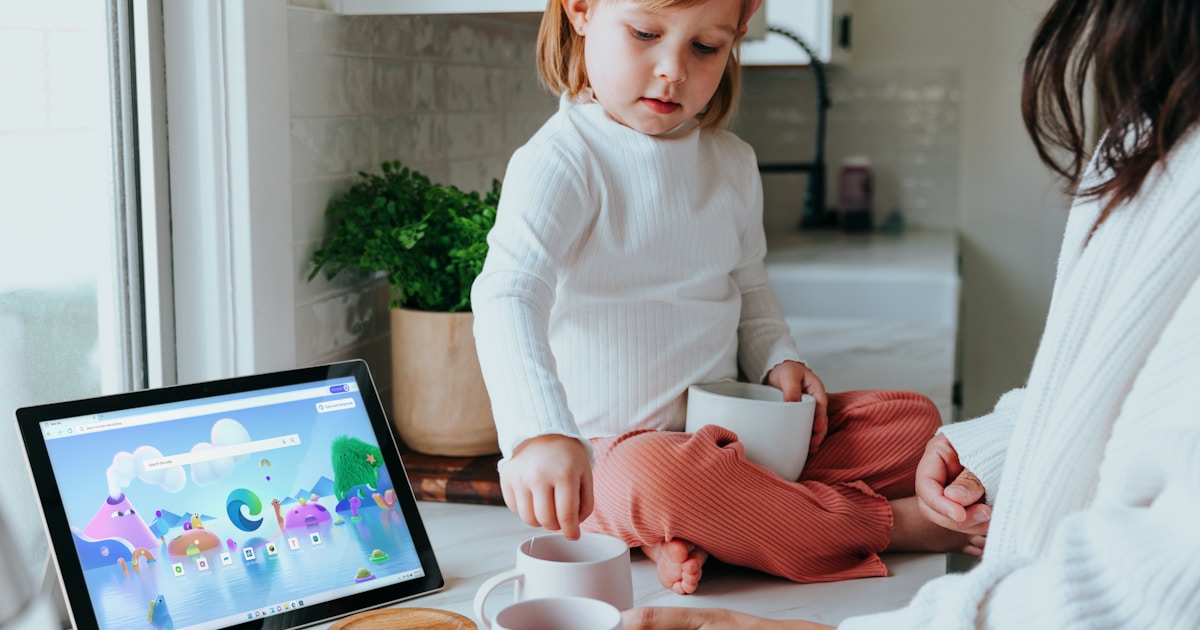
Ages 2-3: Screen time can begin to have positive effects, but only if it’s high-quality and paired with caregiver engagement. Watch together. Talk about what you’re seeing. Point out words you hear. A 15-20 minute show once or twice a week, where you’re actively engaged with your child, can reinforce vocabulary. But live interaction is still more powerful.
Ages 3-5: This is when Spanish-language screen time shows the most promise. Children at this age can follow narrative, remember vocabulary across episodes, and begin to apply language learning from screens to real-world situations. Daily exposure (30 minutes or less) can meaningfully accelerate Spanish vocabulary acquisition if the content is well-chosen.
Which Shows Actually Work for Bilingual Learning?
Not all Spanish-language shows are created equal. Some are designed with language learning explicitly in mind. Others are just regular programs broadcast in Spanish. For your child to actually learn vocabulary, the show should meet these criteria:
Clear, slower speech: Shows designed for language learners use simpler vocabulary and slower speech patterns. Compare this to native Spanish-language children’s programming, which assumes Spanish fluency and moves faster.
Repetition of key words: Educational shows repeat target vocabulary multiple times per episode. Your child hears “pelota” (ball) in context multiple times, which builds recognition and understanding.
Visual support: The best language-learning shows pair words with clear visual images. When your child sees a ball on screen while hearing “pelota,” the association is automatic and memorable.
Interactive elements: Some shows pause and ask the audience to respond. “Can you jump?” Your child physically responds, which increases engagement and learning.
Age-appropriate content: A show designed for 2-year-olds is different from one for 5-year-olds. Match the show’s level to your child’s comprehension and interests.
The Best Spanish-Language Shows for Toddler Learning
Dora the Explorer (Dora la Exploradora) was designed specifically for bilingual English-Spanish learners. It explicitly teaches Spanish vocabulary in every episode and pauses for audience participation. Even though it’s older now, it remains one of the most educationally sound bilingual shows available.
Go, Diego, Go! (a Dora spin-off) continues the same approach with adventure and problem-solving.
Handy Manny presents Spanish vocabulary naturally through a protagonist who solves problems and helps neighbors. Spanish words are embedded in context, making them memorable.
Ni hao, Kai-Lan (with bilingual English-Mandarin approach) and similar shows prove that the bilingual learning approach works across language pairs.
Bubble Guppies has a Spanish-language version and incorporates learning objectives with interactive elements.
For Spanish-first exposure: Shows like Sesamo Abierto (the Spanish Sesame Street) are broadcast in Spanish but designed for native Spanish speakers. These are less explicitly bilingual but provide immersive exposure and introduce your child to authentic Spanish content.
YouTube and streaming: Channels like “Spanish Learning for Kids” and “Basicos Infantiles” offer curated content specifically for language learning. Quality varies, so preview content before showing your child.
How to Maximize Learning From Spanish Screen Time
Watch together when possible. The most powerful learning happens when you watch with your child and engage. Pause to point out words. Ask questions: “What’s the dog doing?” “Can you see the color red?” Narrate what you see: “Mira, ella esta saltando” (Look, she’s jumping).
Keep it short and consistent. Twenty minutes of daily Spanish-language screen time, watched actively, can meaningfully build vocabulary. An hour of passive screen time doesn’t. Consistency matters more than duration.
Follow up with real-world activities. If your child watched a show about animals, go to the zoo or look at animal books. If they watched cooking content, cook together using Spanish vocabulary. This transfers screen-based learning to real-world contexts, which solidifies vocabulary. For more on vocabulary building through activities, see our guide on bilingual activities for 2-year-olds.
Choose shows that align with your child’s interests. A 2-year-old obsessed with animals will learn more from an animal-focused show than from an adventure show. Match content to motivation.
Don’t use screen time as a substitute for interaction. If you’re watching Spanish shows instead of speaking Spanish to your child, you’re making a mistake. Screen time is a supplement to live interaction, not a replacement.
Consider the trade-off. Every hour of screen time is an hour not spent playing, creating, reading books, or interacting with caregivers. Is Spanish-language screen time worth that trade-off? For your specific child, in your specific situation, you get to decide. But don’t pretend it’s not a trade-off.
The Passive vs. Interactive Question
Research consistently shows that interactive screen time (where your child engages with the content, answers questions, participates) leads to better language outcomes than passive screen time.
This is why shows specifically designed with pauses for participation (like Dora) outperform shows that are just content broadcast in Spanish. Your child’s brain benefits more from engagement than passive watching.
If you’re going to do screen time, prioritize interactive content. If you’re doing passive screen time, keep it very short and supplement with active engagement from caregivers.
Is Spanish Duolingo for Kids Effective?
App-based language learning (like Duolingo, Busuu Kids, or Spanish learning games) uses similar principles to educational shows: repetition, visual support, and sometimes gamification. Research suggests these apps can accelerate vocabulary learning, but only if they’re used regularly (a few minutes daily) and supplemented with live interaction. To understand what vocabulary matters most at different ages, explore our guide on Spanish words to teach toddlers.
An app can’t replace caregiving interaction. But 5-10 minutes of an interactive, well-designed language app, used consistently, can meaningfully contribute to vocabulary growth.
For toddlers especially, the interactivity and reward elements of apps can increase motivation compared to passive shows. Just be aware that many apps track data, advertise extensively, or are designed to be addictive. Review privacy policies and limit session lengths.
The Bilingual Screen Time Decision Framework
Here’s how to decide what screen time strategy makes sense for your family:
Step 1: Assess your baseline Spanish exposure. How much live Spanish interaction is your child getting daily? If it’s substantial (multiple hours), screen time in Spanish is less critical. If it’s minimal, Spanish screen time could meaningfully add to overall exposure.
Step 2: Consider your child’s age. Under 2? Minimize screen time and do live interaction instead. Ages 2-3? Very limited, interactive screen time could help. Ages 3-5? Regular, high-quality, interactive Spanish screen time can meaningfully accelerate vocabulary.
Step 3: Choose quality over quantity. Thirty minutes of Dora (explicitly teaching Spanish vocabulary) is more valuable than two hours of unrelated Spanish-language shows. Quality and educational design matter enormously.
Step 4: Build in active follow-up. Whatever screen time you allow, follow it up with real-world activities that reinforce vocabulary. This is where screen time becomes truly valuable for language development.
Step 5: Maintain balance. Screen time shouldn’t squeeze out play, reading, outdoor time, or face-to-face interaction. For toddlers, unstructured play and caregiver interaction remain the foundation of healthy development.
Addressing the Guilt: Is Spanish Screen Time “Cheating”?
Many parents feel guilty using screen time as part of their bilingual strategy. They worry it’s not “real” language learning or that they’re being lazy.
Here’s the truth: bilingual parenting is hard work. You’re managing multiple languages, different cultural contexts, social pressures, and logistical challenges. If Spanish-language screen time helps you maintain bilingual exposure during a busy season, that’s not cheating. That’s practical parenting.
That said, screen time should be a tool, not the foundation. Your presence, your Spanish conversation, your bilingual activities — these are the foundation. Screen time is a supplement when you need additional exposure or when a particularly high-quality show aligns with your child’s learning.
Red Flags: When Spanish Screen Time Isn’t Helping
If you notice these patterns, Spanish screen time might not be contributing to bilingual development:
Your child watches screen time but doesn’t show any vocabulary growth or behavioral changes related to content. The screen isn’t engaging them.
Screen time is replacing interaction time with caregivers. Your child watches Spanish shows because you’re busy, not because you’ve intentionally chosen high-quality content.
Your child is watching 2+ hours of screen time daily. At this duration, it’s almost certainly interfering with other important development regardless of language.
You’re using screen time to avoid direct teaching of bilingual skills. Just let the TV do the work isn’t a sustainable strategy.
See our guide on bilingual toddlers who aren’t talking back for more comprehensive strategies if you’re concerned about your child’s language development broadly.
Integrating Spanish Screen Time Into Your Bilingual Strategy
Spanish-language screen time works best when it’s part of a coherent bilingual strategy, not an isolated tool. It should align with other bilingual activities and vocabulary goals.
For example, if you’re working on animal vocabulary (as you might with bilingual activities for 2-year-olds), a show featuring animals could reinforce that vocabulary. If you’re exploring Spanish songs and rhymes, shows with musical content create continuity.
The Palabra Garden 12-Month Bilingual Curriculum includes guidance on which screen-based resources align with each month’s learning themes, helping you leverage bilingual media as part of a comprehensive approach rather than as a standalone tool.
The Bottom Line: Strategic Use, Not Silver Bullet
Spanish-language screen time can meaningfully contribute to bilingual vocabulary development when it’s high-quality, age-appropriate, interactive, and paired with caregiver engagement and real-world follow-up. But it’s not a replacement for live interaction, consistent caregiver input, or bilingual communities.
If you choose to use Spanish screen time, do it strategically. Choose content designed for language learning. Keep it brief and consistent. Watch together when possible. Follow up with activities. And never feel guilty about using every tool available to maintain your child’s bilingual development.
For a comprehensive approach to bilingual development that might reduce your reliance on screen time while building stronger skills, explore the 12-Month Bilingual Curriculum. And for curated activities and strategies you can implement daily without screens, download our free bilingual resources guide.
You’re doing great. Use the tools that work for your family. Trust the research. And remember: inconsistent, imperfect Spanish input (whether from screens or caregivers) is infinitely better than no Spanish input at all.