Twins and Bilingual Development -- Unique Patterns and Strategies
By Lindsey Carleton, MA, CCC-SLP
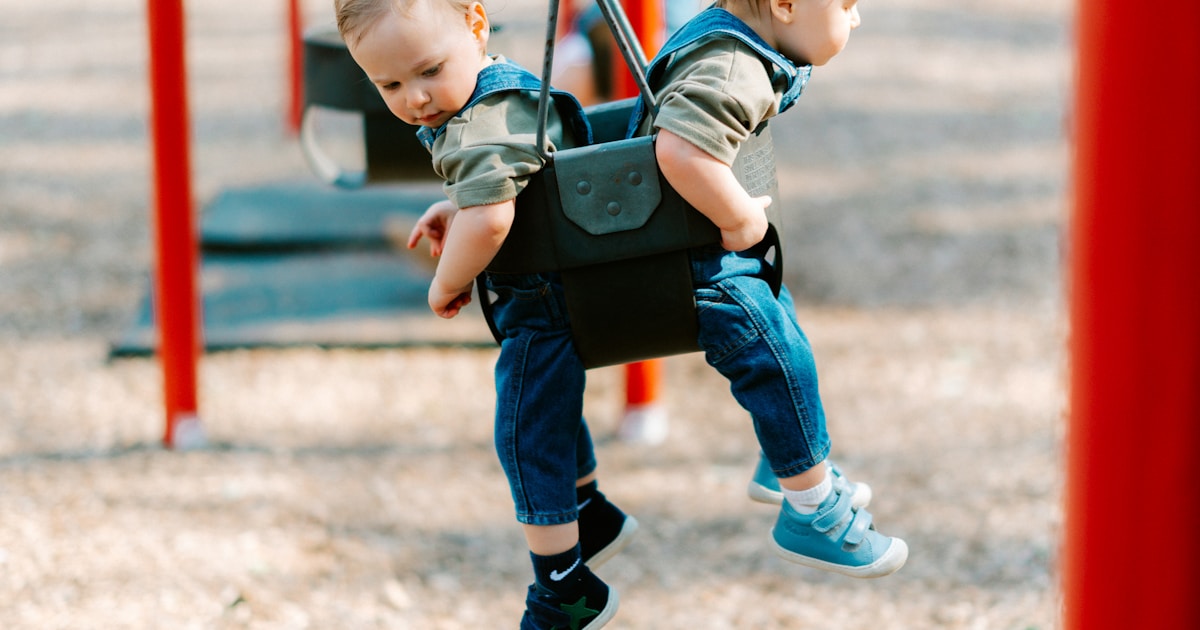
You’re at the pediatrician’s office with your two-and-a-half-year-old twins, and the doctor looks concerned. “They’re not using many words,” she says, “and they seem to understand each other better than they understand you.” Your chest tightens. You’ve been speaking Spanish to both of them since birth — is bilingualism the problem? Should you switch to English only?
Stop. What you’re seeing is real. Twins do develop language differently than singletons, and bilingual twins face a compounded version of that pattern. But it’s not because bilingualism is failing. It’s because twins are a completely different developmental situation — and they need strategies that account for that reality.
I work with many bilingual families raising twins, and the ones who succeed aren’t the ones who panic and abandon Spanish. They’re the ones who understand the unique patterns of twin language development and adjust their input strategically. That’s what this post covers.
Why Bilingual Twins Face Language Challenges
Let’s start with the science. Even in monolingual homes, twins tend to talk later and have smaller vocabularies in the early years than singletons. Not because they’re behind developmentally, but because their attention and language input is split between caregivers and a co-twin.
Add bilingualism to the picture, and you’re multiplying the challenge. Here’s why:
Reduced one-on-one input. A singleton gets sustained one-on-one conversation time with a parent. A twin typically gets half as much, because your attention is split between two children simultaneously.
Twin-directed communication. Twins often communicate with each other, not with parents. By 18 months, your twins might be making sounds, gestures, or “words” that only the other twin understands — a phenomenon sometimes called “cryptophasia” or “twin language.” It’s fascinating and real, but it’s language between the twins, not language from a native speaker, which means the input quality is lower.
Less ambient language exposure. When you’re managing two toddlers, you’re narrating less, singing less, asking fewer questions. You’re in survival mode. The running commentary that’s gold for language development gets cut short by interruptions and competing demands.
Divided loyalties in language choice. Some twins, especially if they’re picking up different languages from different parents or caregivers, may default to whichever language feels “easier” or more shared — often English if that’s the community language.
Research on bilingual twins does show that they tend to have smaller expressive vocabularies (the words they produce) in their early years compared to bilingual singletons — but this difference typically evens out by early school age. The key word is typically — it requires intentional strategy.
One-on-One Spanish Time: Non-Negotiable
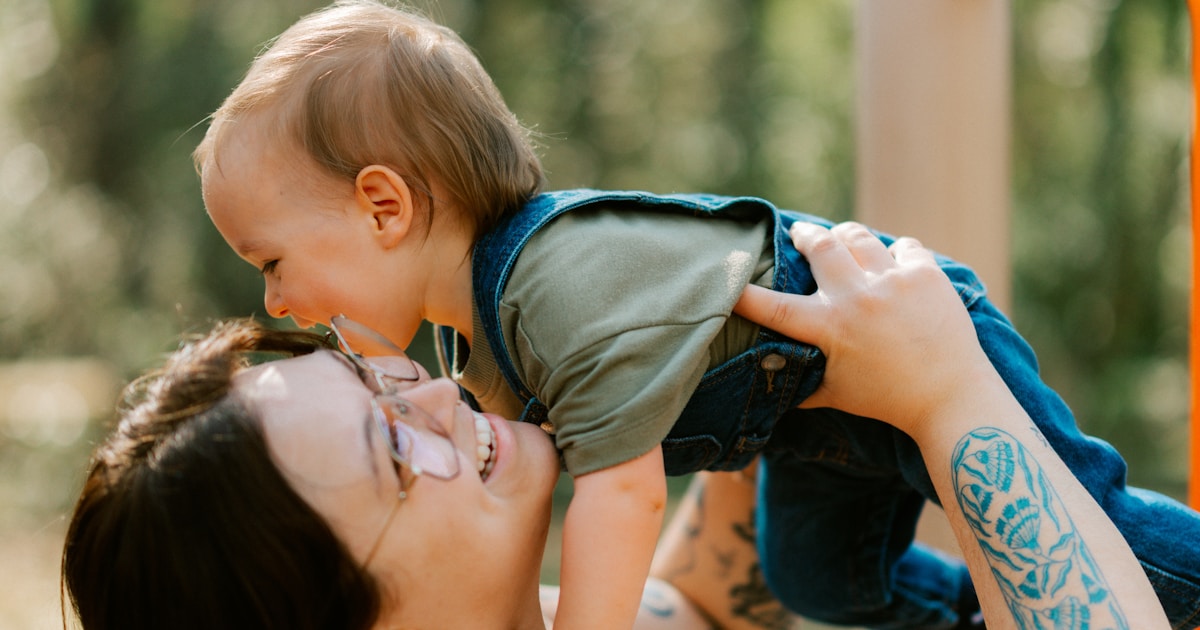
The single most important strategy I recommend for bilingual twins is scheduled, regular one-on-one time with each child in Spanish. This isn’t extra; it’s essential.
Why this works: When you have one child’s full attention for even 15 minutes, you’re recreating the one-on-one input conditions that singletons get naturally. Your child gets pure Spanish input without sibling distraction, can engage in sustained back-and-forth conversation, and experiences themselves as a language learner rather than as “half a unit.”
How to structure it:
-
Aim for 15-30 minutes of one-on-one Spanish time with each twin, at least 3-4 times per week
-
Rotate who gets one-on-one time so it feels fair and intentional
-
This can happen during one twin’s nap, while the other plays with a caregiver, or on separate outings
-
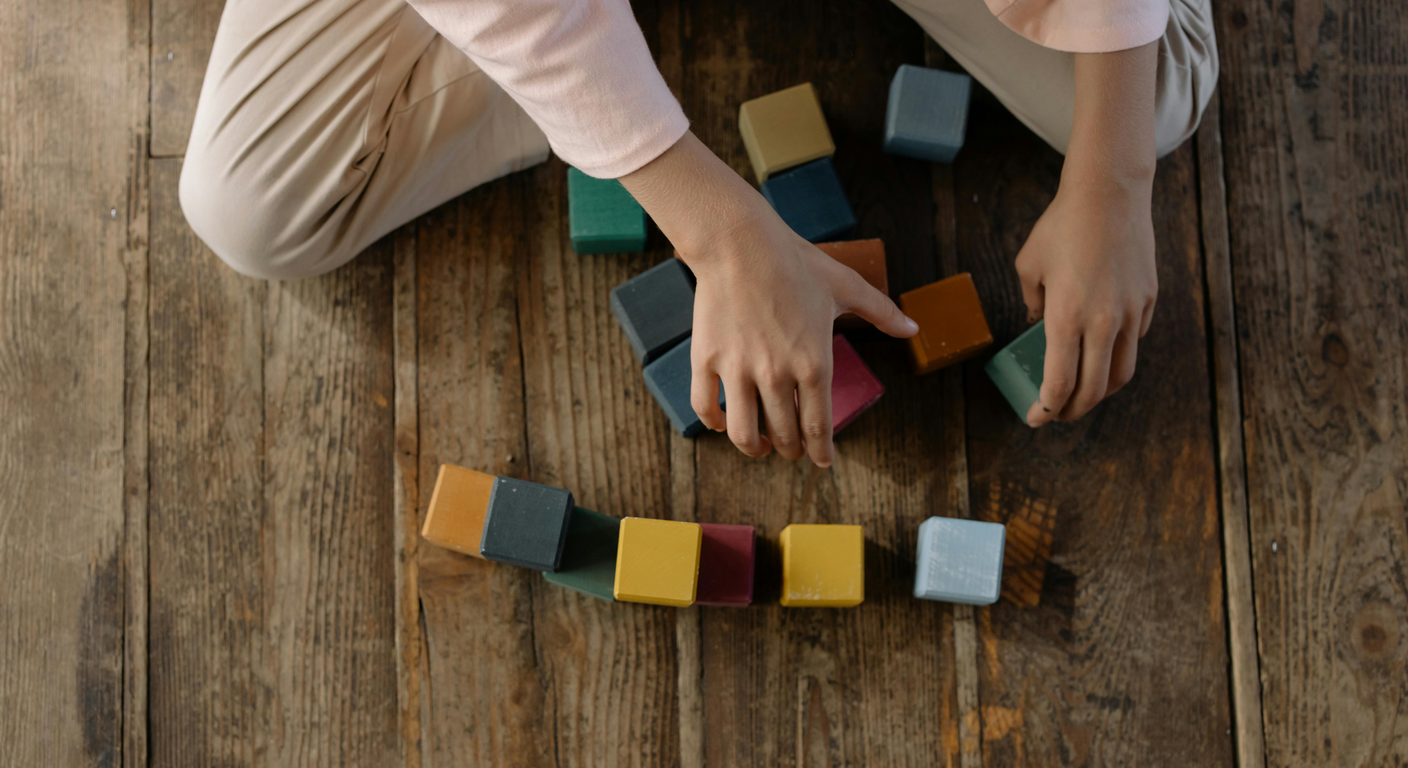
Content doesn’t matter — reading books, playing with blocks, cooking, playing at the park. The point is sustained attention in Spanish
What to do during this time:
-
Narrate what you’re doing and what your child is doing
-
Ask open-ended questions: “¿Qué estás construyendo? ¿De qué color es?”
-
Respond enthusiastically to any Spanish attempts
-
Avoid over-correcting; focus on keeping conversation flowing
-
Use repetition — ask the same questions, use the same phrases over days and weeks
One parent I worked with built this in by having Tuesday and Thursday mornings while her co-parent stayed home with the other twin. The presence of that predictable, dedicated Spanish time shifted both twins’ language development noticeably within 3-4 months.
Separate Them Sometimes — Even When It’s Inconvenient
It’s tempting to keep twins together constantly because it’s logistically simpler. But for language development, you need to separate them sometimes.
This doesn’t mean they can’t play together. It means creating situations where they’re interacting with a parent (or caregiver) one-on-one, not as a pair.
Practical strategies:
-
Different preschools or preschool days (even one day a week apart helps)
-
One twin at Spanish playgroup or class, the other at home
-
Different bedtimes (staggered by even 20 minutes) so you have solo time with each
-
Separate activities: one twin at a class or lesson, the other doing an activity with the co-parent
-
Simple as rotating who sits next to you during meals or car rides
The goal is to prevent the twin-as-unit dynamic from completely overriding individual language development. When your twins experience themselves as separate language learners with individual relationships to Spanish, the competitive or dependent dynamic shifts.
Watch for One Twin Speaking for the Other
This is one of the most common patterns I see: one twin becomes the “language broker” — the one who speaks and the other who listens, or one who translates for the other in English.
This often happens because:
-
One twin is more outgoing or verbal by temperament
-
One twin had a slight speech delay early on (which is common in twins) and the other “stepped in”
-
The quieter twin has learned that their more talkative sibling will handle communication, so they don’t need to
If this is happening in your home, intervene gently but directly:
Ask questions directly to the quieter twin: Instead of accepting an answer from the verbal twin, direct your gaze and question to both: “Marta, ¿qué quieres para la merienda? … I’m waiting to hear from you, not from your sister.”
Give the quieter twin wait time: Pause after asking a question. Don’t let the faster twin fill the silence. Wait 5-10 seconds. Your child will eventually attempt to answer.
Praise effort, not correctness: When the quieter twin makes an attempt, celebrate it enthusiastically, regardless of accuracy. “You told me what you want! Excelente!”
Create situations where the quiet twin must speak: During one-on-one time, there’s no one else to answer for them. This creates natural pressure for language production.
Over weeks and months, you’ll see the quieter twin building confidence and coming forward more in Spanish.
Peer Language Input: The Silver Lining
Here’s the flip side: bilingual twins actually have an advantage that singletons don’t — they have built-in peer language exposure.
Once your twins are old enough to interact meaningfully (around 2-3 years), they’re practicing Spanish with each other. That peer interaction is valuable. Even if their “twin language” isn’t grammatically perfect Spanish, they’re engaging in communication attempts in Spanish, which builds confidence.
How to leverage this:
-
Make sure that when twins play together, you narrate what they’re doing in Spanish so they’re absorbing quality input even during peer play
-
Introduce other bilingual children through playdates or Spanish playgroups so the peer Spanish exposure expands beyond the sibling dyad
-
Don’t interrupt twin play if they’re communicating in Spanish with each other — let that flourish
The twin relationship itself becomes a language-learning laboratory. They’re testing out Spanish words, phrases, and communication strategies with each other constantly.
Bilingual Twins and “Language Delay” — What’s Actually Normal
A speech pathologist (especially a monolingual one) may flag your twins as having delayed language. Before you panic, consider:
Most twin delays even out by age 3-4. Research consistently shows that twins who had smaller vocabularies at 18-24 months often catch up completely by kindergarten — without intervention, and especially with intentional bilingual support.
Bilingual assessment is not one-size-fits-all. A standard English vocabulary test will undercount your twins’ language ability because it doesn’t measure Spanish. Many bilingual twins who “fail” an English language screening actually have normal total vocabulary when both languages are counted.
If your twins are developing symmetrically, it’s usually fine. If both twins are on the same trajectory (both smaller vocabularies, both understanding Spanish, both attempting words in both languages), that’s likely typical twin bilingual development, not a disorder.
When to actually be concerned:
-
One twin is developing typically and the other is significantly behind (especially if the gap is widening)
-
Neither twin is producing any words by 24 months
-
Your twins understand and speak neither language by 2.5-3 years
-
There are signs of hearing loss or other developmental differences
If you’re concerned, seek evaluation from a bilingual SLP who understands that bilingual twins are a specific developmental population, not just “twins who happen to be bilingual.”
Consistency Across Caregivers Matters Even More for Twins
When you have two children learning two languages, language consistency becomes even more critical than in singleton bilingual homes.
Ideally:
-
Both parents speak Spanish at home
-
Any regular babysitters or caregivers reinforce Spanish consistently
-
Preschool has clear language practices so that Spanish isn’t being actively undermined
If you can’t achieve ideal consistency (and most families can’t), at minimum:
-
Make sure Spanish exposure is robust enough at home to weather English-only outside input
-
Have regular check-ins with caregivers about their language strategies
-
Use school/preschool as a chance to boost Spanish exposure at home rather than expecting school to do the heavy lifting
Consistency doesn’t mean perfection. But it does mean that whichever adults are in your twins’ lives understand that Spanish is valued and active.
The Long View: Bilingual Twins Often Thrive
I want to reframe this. Yes, bilingual twins face unique challenges in the early years. Yes, their language development trajectory may look different from a monolingual singleton.
But here’s what I’ve observed in my practice: bilingual twins who get intentional support often become the most robustly bilingual children in their families. They develop strong executive function from managing two languages. They have built-in peer support for language learning through their twin relationship. And they grow up with a bilingual identity that’s reinforced every day.
The early years might feel slower or more worrying. But 10 years in, many families find their bilingual twins are ahead of the curve.
Key Takeaway: Bilingual Twins Need Strategy, Not Simplification
Raising bilingual twins is harder than raising a bilingual singleton — that’s true. But harder doesn’t mean impossible or undesirable. It means being intentional about one-on-one Spanish time, separating the twins sometimes, and watching for patterns that need gentle intervention.
Your twins don’t need you to abandon Spanish. They need you to be strategic about how Spanish gets delivered when your attention is divided. Small adjustments in your input structure compound over months and years into substantial bilingual development.
Trust the process. Schedule the one-on-one time. And celebrate the unique gift of bilingual twins who are learning from each other and from you.
For step-by-step strategies for one-on-one language time, twin-specific language games, and how to navigate speech evaluation for bilingual twins, download our free bilingual resources guide. And for a complete year-long bilingual curriculum designed to work with divided parental attention and the realities of raising multiple children, the Palabra Garden 12-Month Bilingual Curriculum gives you a full year of bilingual structure you can adapt to the divided attention of raising twins.
Related reading: Speech Delay vs. Bilingual Difference — How to Tell | Receptive vs. Expressive Bilingualism — Why Both Are Valid
Through my work as an SLP, I’ve seen how powerful early language, social-emotional development, and hands-on learning can be for toddlers and preschool-aged children. Palabra Garden brings those same principles into your home with bilingual activities, preschool curriculum ideas, and simple strategies that support growing minds.
I believe children learn best through connection, curiosity, and everyday moments of discovery.