Hispanic Heritage Month at Home: 30 Days of Tiny Bilingual Rituals
By Lindsey Carleton, MA, CCC-SLP
Hispanic Heritage Month runs from September 15 through October 15 in the United States, and most families who want to mark it find themselves staring down a Pinterest board of impossibly polished crafts. None of that is the point. The point is small, repeatable rituals that thread Spanish and Latin American culture into the days you were already going to live anyway — and that build a real, durable connection in your child over the long arc of childhood.
I’m a bilingual speech-language pathologist, and the families I work with consistently overestimate what they need to do and underestimate what tiny acts of repetition will produce. Here is the plan I’d give you if we were sitting at your kitchen table this week.
The structure: one tiny act per day for thirty days
Don’t try to do everything every day. Pick the day’s act, do it once, and move on. The goal is exposure and association — your child connecting Hispanic Heritage Month with warm small moments at home — not curriculum coverage.
Each day takes between 30 seconds and 15 minutes. If you miss a day, you miss a day. There is no makeup work in a 2-year-old’s life.
Week 1 (Sept 15–21): start with the senses
| Day | Date | The ritual |
|---|---|---|
| 1 | Sept 15 | Put on one Spanish-language song while making breakfast. Anything. The toddler hears Spanish before they hear English today. |
| 2 | Sept 16 | At one meal, say the food’s name in Spanish before you serve it. “Plátano. Plátano. Here is your plátano.” |
| 3 | Sept 17 | Find one Latin American country on a globe or map. Name it. Trace its outline together. Done. |
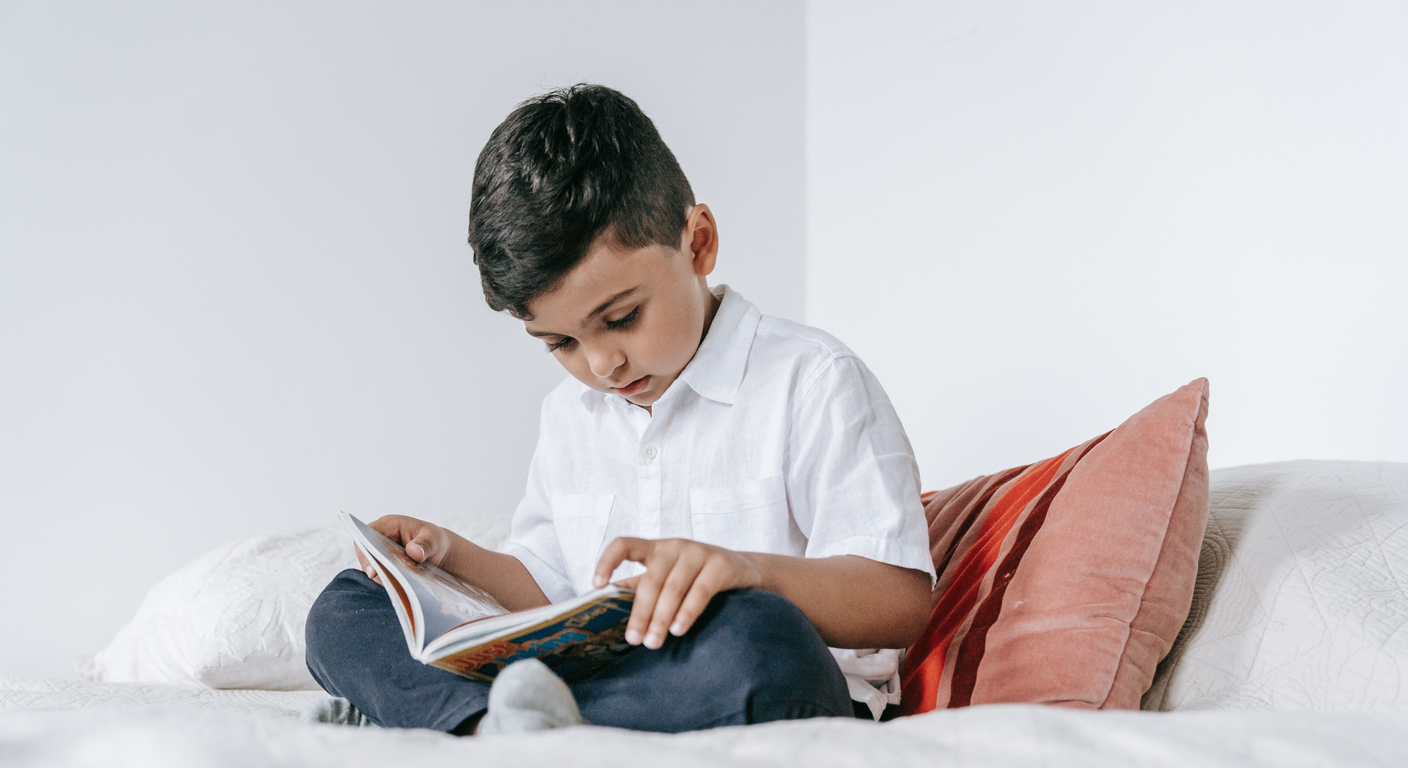
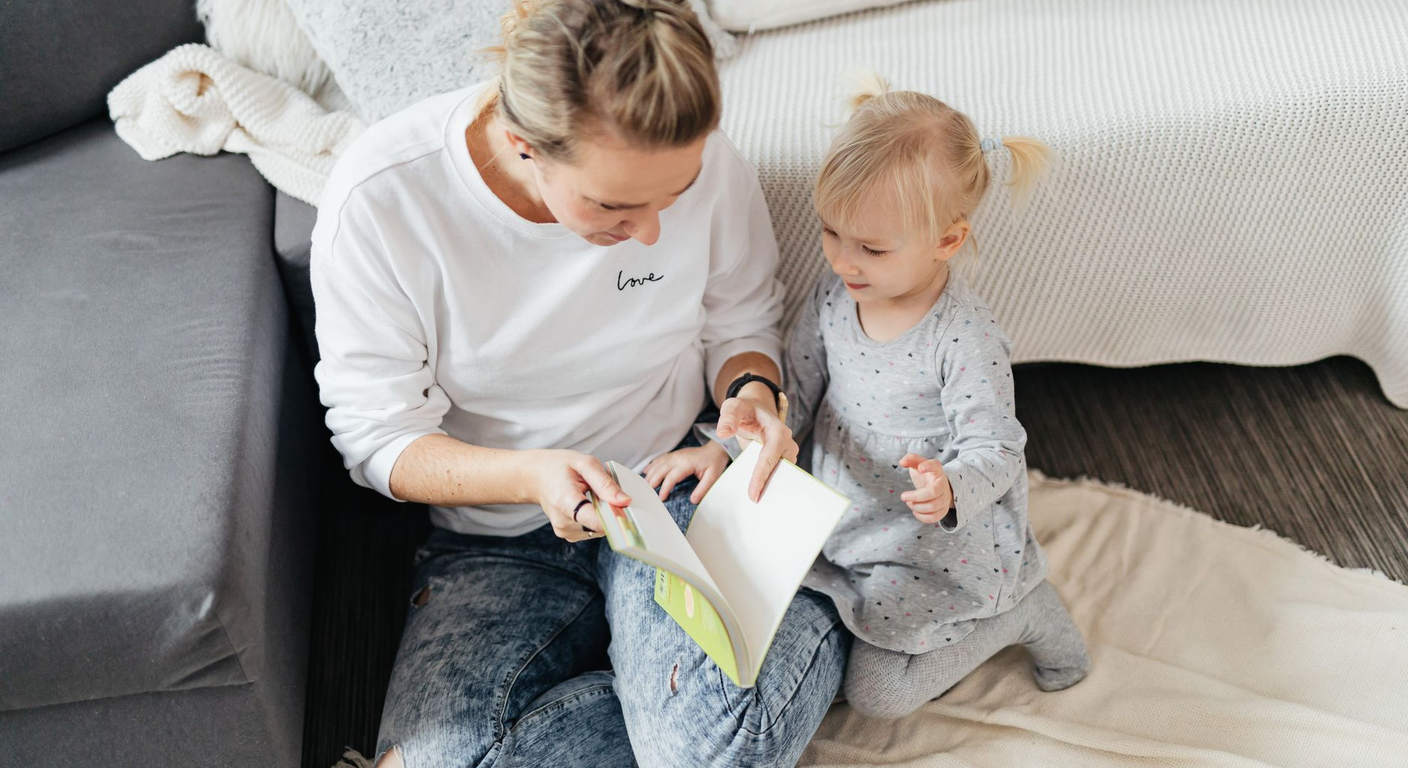
| 4 | Sept 18 | Read one bilingual book at bedtime. If you don’t own one, your library has them. Our 20 best bilingual books for toddlers post has SLP picks. |
| 5 | Sept 19 | Make breakfast on a slightly different rhythm: huevos (eggs), pan (bread), fruta (fruit). Say each word as you set it down. |
| 6 | Sept 20 | Watch one short video of children’s music in Spanish together. Three minutes. Sing along badly. |
| 7 | Sept 21 | At bath time, count to ten in Spanish — uno, dos, tres… — while pouring water. |
Week 2 (Sept 22–28): bring in the family
| Day | Date | The ritual |
|---|---|---|
| 8 | Sept 22 | Tell your toddler one tiny story about where their family — or someone they love — comes from. “Tía María was born in Colombia.” Show a photo. |
| 9 | Sept 23 | Call a Spanish-speaking relative or family friend for two minutes. Even if the toddler just watches. |
| 10 | Sept 24 | Cook one Latin American dish — even from a box mix. Arroz con pollo, frijoles, pan con queso. Name the ingredients. |
| 11 | Sept 25 | At drop-off, say “Hasta luego” instead of “Bye.” Same warmth, different language. |
| 12 | Sept 26 | Look at a children’s book that features Latino characters. Note out loud, “That girl has hair like yours.” |
| 13 | Sept 27 | Sunday: play one Spanish-language radio station for 15 minutes while doing house things. Don’t translate. |
| 14 | Sept 28 | Teach the toddler one abrazo (hug) routine — same words every time, same closing. |
Week 3 (Sept 29–Oct 5): mark a small celebration
| Day | Date | The ritual |
|---|---|---|
| 15 | Sept 29 | Find one Latin American children’s holiday on the calendar this fall. Día de los Muertos. Día del Niño’s spring cousin. Mark the date with a sticker. |
| 16 | Sept 30 | Write your toddler’s name on a card with the Spanish accent or spelling, if it has one. Stick it on the fridge. |
| 17 | Oct 1 | Sing one nursery rhyme in Spanish. De colores. Los pollitos dicen. It doesn’t have to be a full performance. |
| 18 | Oct 2 | Talk about what’s growing outside — árbol (tree), flor (flower), hoja (leaf). Name three things on a walk. |
| 19 | Oct 3 | Read one folktale aloud. La Casa Azteca, El Conejo y la Tortuga, Pedro Urdemales — any of them. |
| 20 | Oct 4 | Pick out one ingredient at the grocery store and say its name in Spanish — aguacate, mango, cilantro. Buy it. Use it. |
| 21 | Oct 5 | Look at a photo of a place a family member has lived in Latin America. Say one sentence about it. |
Week 4 (Oct 6–12): make it visible in your home
| Day | Date | The ritual |
|---|---|---|
| 22 | Oct 6 | Add one small object to your child’s room from a Latin American maker — a hand-stitched pillow, a small wooden toy, a magnet. |
| 23 | Oct 7 | Practice one tiny phrase you’ll use every day from now on. “Buenos días, mi amor.” That’s it. |
| 24 | Oct 8 | Cook one recipe from a Latino author or food writer. Naming ingredients aloud in Spanish counts as the lesson. |
| 25 | Oct 9 | Talk about what your toddler’s favorite character would say in Spanish. “If Bluey were Spanish, she’d say hola.” |
| 26 | Oct 10 | Pull out a children’s coloring page with a Latin American theme. Sit and color together for 15 minutes. |
| 27 | Oct 11 | Watch one short Latin American animation. Pocoyó. Caillou en Español. Los Pingüinos. Three minutes is enough. |
| 28 | Oct 12 | Tell your toddler the family you have here started somewhere else. Where. Why. Show a small thing — a photograph, a pin, a name. |
The last two days (Oct 13–15): close it gently
| Day | Date | The ritual |
|---|---|---|
| 29 | Oct 13 | Read the same bilingual book from Day 4. Notice how much more comfortable the Spanish words feel. |
| 30 | Oct 14 | Pick one ritual from these 30 days you’ll keep — just one. That’s your November starter. |
October 15 is the last day of Hispanic Heritage Month officially, but the point of these rituals is that they keep going. One small thing a day, kept.
What this is, and what it isn’t
This is not a curriculum. It is a frame for noticing and anchoring. The vocabulary your toddler picks up from a 30-day rhythm of small acts is real but secondary. The primary thing they pick up is the association: that Spanish is part of family life, and that someone they love thinks of it as worth honoring.
If you want a structured year-long path with full lesson plans, parent scripts, and a sequenced vocabulary arc, the 12-month Palabra Garden curriculum was built for that. The 30-day plan here can stand alone, layer on top, or simply be the first month of your bilingual rhythm.
A word about Hispanic Heritage Month and non-Hispanic families
You don’t have to be Hispanic or Latino to honor this month with your child. If your family is raising a bilingual child as allies — because of a desire to speak the language of your community, or to give your child a second language for any reason — these rituals still work, and the cultural respect they communicate is exactly the kind of caregiving I want toddlers in this country to grow up inside.
I’m not a heritage Spanish speaker myself. I learned Spanish through study abroad, a college Spanish major, and a decade of healthcare work with Spanish-speaking families. The 30 days above are how I bridge into Hispanic Heritage Month as a non-heritage parent who cares about doing it well. If you’re in the same place, you’re not alone, and your effort counts.
Frequently asked questions
What if my toddler doesn’t respond to any of these?
That’s normal. Most of these rituals will land in your toddler’s brain without any visible response. Spanish input is being absorbed even when there’s no expressive output back at you. The goal at 2–5 is consistent exposure, not performance. See our deeper dive on receptive vs. expressive bilingualism if you want to understand why your child’s silence isn’t a lack of comprehension.
Can I do these with a 5-year-old, or are they only for toddlers?
The frame works for 5-year-olds too. Adjust the cognitive level — for a 5-year-old, the “tell a tiny story” rituals can be longer, and the songs can include lyrics they sing all the way through. The principle of small daily acts is age-agnostic.
What if I don’t speak Spanish at all?
You can do every single one of these rituals without being fluent. The phrases are short. The audio is built into songs and videos. Your job is consistency, not pronunciation perfection. A guide we wrote on how to teach your toddler Spanish when you don’t speak it is the deeper version of this answer.
What’s the single most important day on this list?
Day 8 — telling the tiny story of where your family comes from. Identity precedes language acquisition. A toddler who associates Spanish with a sense of belonging to something will work harder to acquire it than one who associates it with effort or instruction.
Where do I find Spanish-language children’s music and videos that aren’t terrible?
Our Spanish screen time post covers this in detail. Short version: look for native-speaker content, not Disney dubs.
If you want a structured plan for the rest of the year, see the 12-month curriculum or start with the free phrase cards.